Internal knowledge share · Meeting briefing · Collected photographs and speaker notes
Source compilation date: July 23, 2026
Coverage: 1 meeting · 1 presentation · 36 annotated photographs
Original report label: Bob / report1
This briefing collects the meeting photographs for which notes were recorded, preserving the order of the meeting and presentation. The English notes below translate the source commentary; the original photographs are retained as supporting material. Page references correspond to the original 38-page PDF. Its cover and contents occupy pages 1-2.
Foundations of Connectivity
1. Connectivity as a Foundational Productive Force
Source page 3
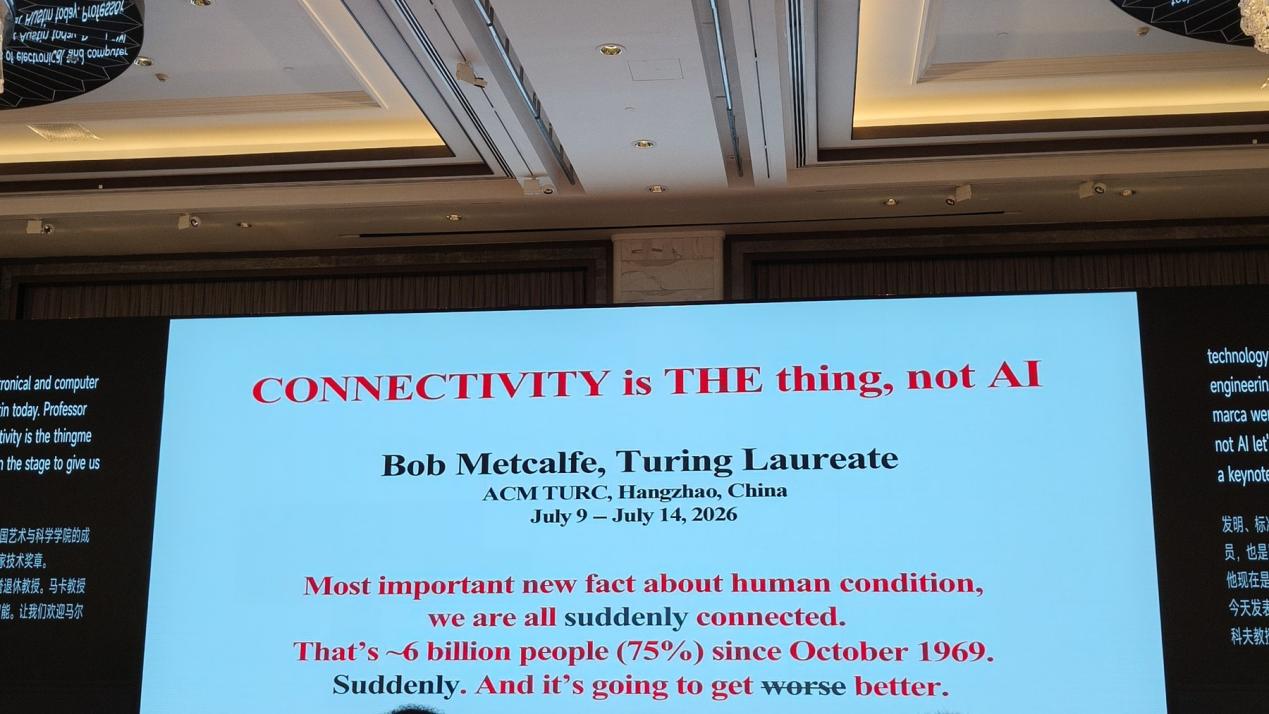
Metcalfe is a co-inventor of Ethernet and has long been regarded as a key founder of modern local-area networking and Internet infrastructure. He received the Turing Award for his contributions to Ethernet's invention, standardization, and commercialization.
The slide title, "Connectivity is the thing, not AI," does not dismiss artificial intelligence. Instead, it redirects attention to the underlying network: without stable, inexpensive, scalable connections, computing power, data, models, and applications struggle to achieve society-wide impact.
The reference to "since October 1969" points to the ARPANET era. The year 1969 is commonly treated as an important starting point in Internet history. Metcalfe is also associated with Metcalfe's law, which links network value to the growth of connections among nodes. This idea has profoundly influenced how people understand platforms, communications networks, social networks, and the digital economy.
In an academic context, this slide brings computer networks, distributed systems, digital society, and AI infrastructure into one framework. It emphasizes connectivity itself as a foundational productive force.
2. The Transistor and the Foundations of Computing
Source page 4
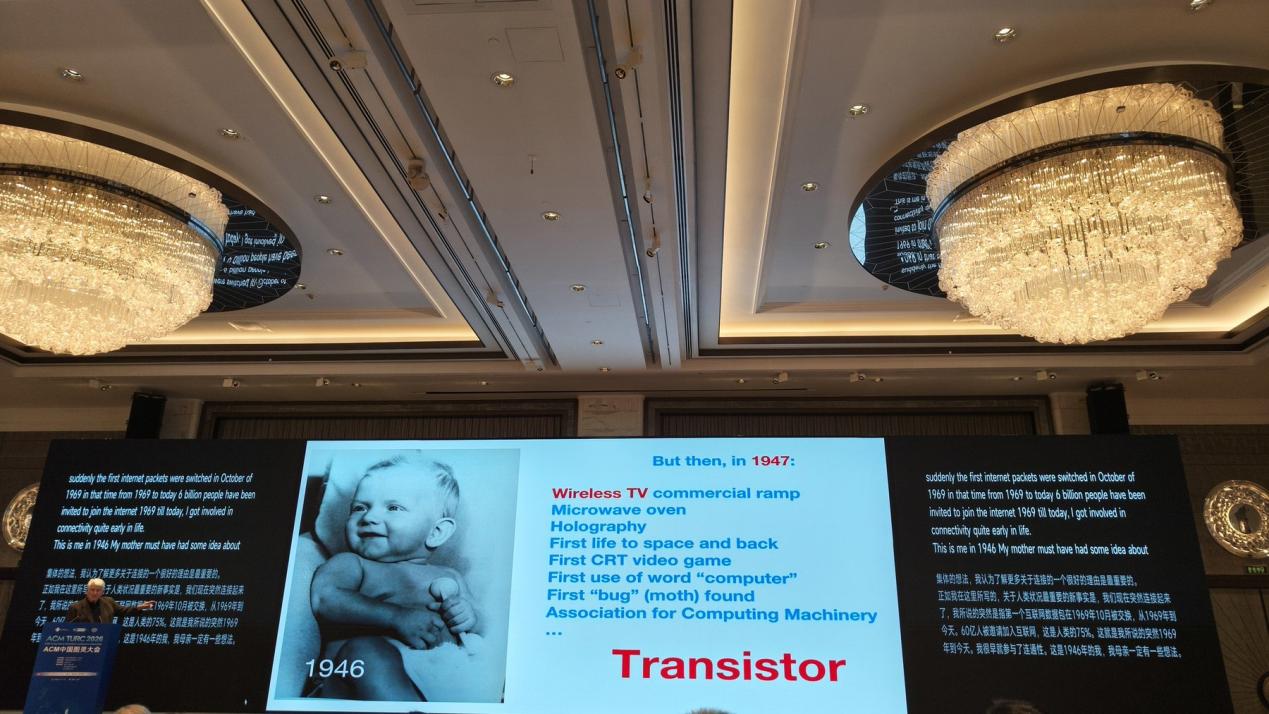
The year 1946 marks the speaker's birth, while 1947 is highlighted as the year the transistor was invented. Developed at Bell Labs by Bardeen, Brattain, and Shockley, the transistor forms the physical foundation of modern electronics, computer architecture, and networking equipment. Without it, there would have been no subsequent integrated circuits, microprocessors, routers, switches, or large-scale Internet infrastructure.
The slide's reference to the Association for Computing Machinery connects this history to the institutional development of the computing community. Items such as "First 'bug' (moth) found" and "first use of word computer" bring together familiar episodes from computing history.
3. Build Roads First, Then Prosper
Source page 5

English translation of the Chinese proverb in the photograph: "If you want to get rich, build roads first."
This metaphor maps transport infrastructure onto information infrastructure: roads correspond to network links, while prosperity corresponds to the compound benefits of communication, collaboration, markets, and the spread of innovation.
The speaker notes at the left refer to the transistor's invention in 1947, tracing connectivity back to the semiconductor revolution. Without transistors, there would be no inexpensive switching, routing, terminals, or large-scale networks.
The footer's mention of "ChatGPT4" suggests that the speaker may have used a large language model to generate or polish the localized expression. This itself illustrates a new form of knowledge mediation: AI can connect people across languages and cultures. Overall, this page places Ethernet, the Internet, semiconductors, and generative AI within a single evolutionary chain of connectivity infrastructure.
4. Roman Roads as a Network
Source page 6
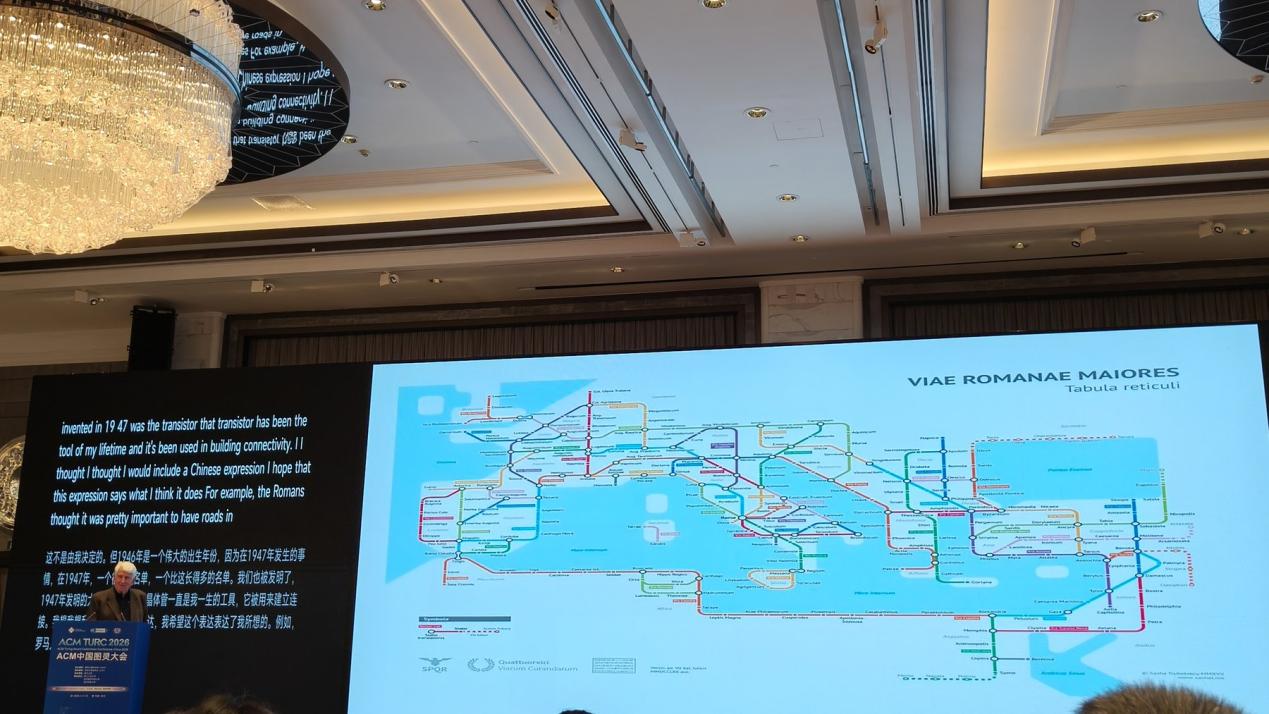
The central argument is that networking infrastructure underpins both the expansion of civilization and its capacity for governance. By comparing ancient Roman roads with a modern subway system, the speaker emphasizes that real power lies not in individual nodes, such as cities or technologies, but in the network linking them: a standardized, scalable, highly connected underlying architecture.
This way of thinking transcends historical periods. Roman military logistics and trade, like modern Internet protocol interoperability, depend on predictable connection paths that enable scale and coordination. The dense intersecting routes and hubs visualize the principle of putting connectivity first.
5. Engineering the Physical Foundations of Connection
Source page 7
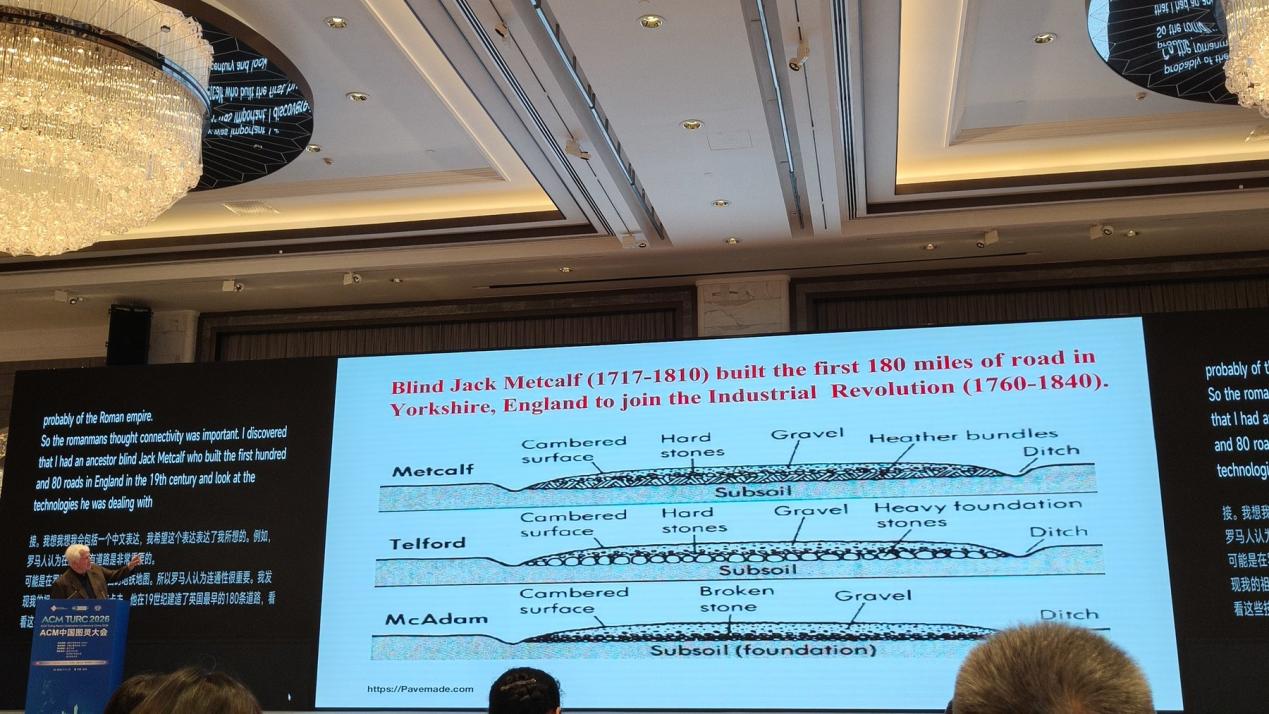
The technical cross-sections show roads built by British engineers in the nineteenth century, including the speaker's ancestor Blind Jack Metcalf, as described in the source notes. They emphasize that underlying engineering innovation provides the physical foundation for connectivity.
6. The Telephone: Similar Hardware, Changing Economics
Source page 8
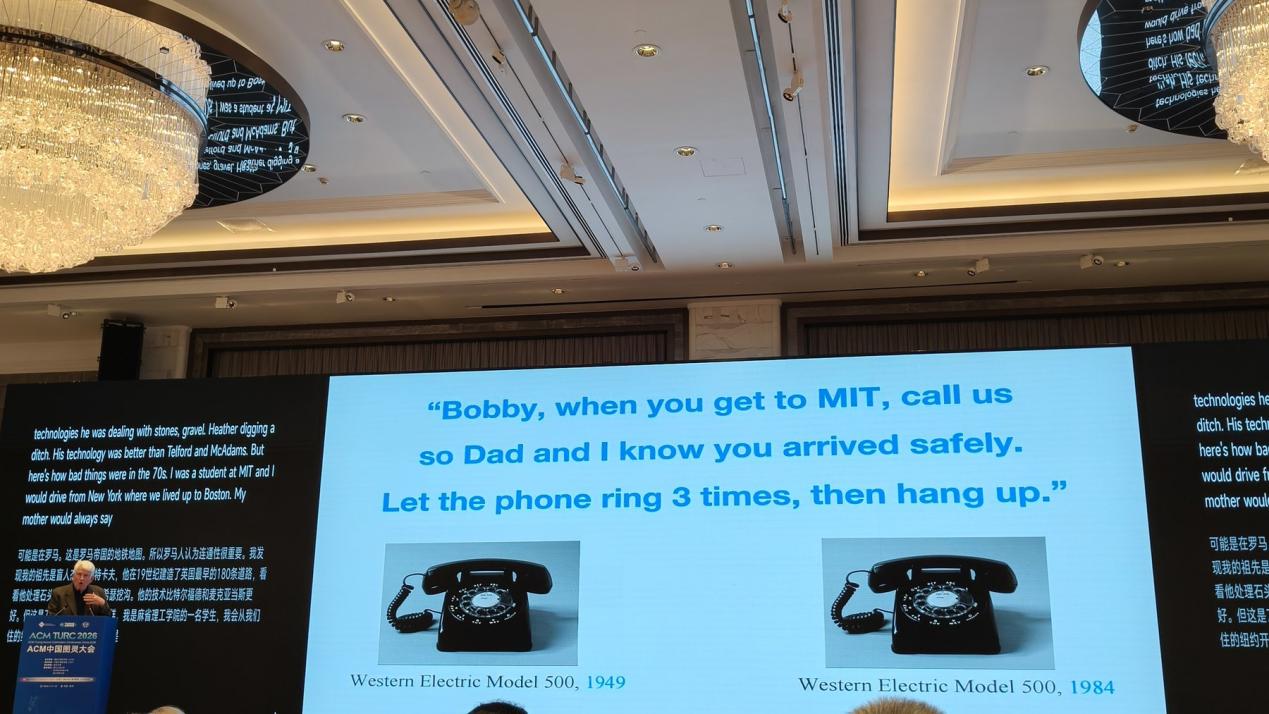
The evolution of communications technology is fundamentally a continuous improvement in the efficiency and cost of connection.
By showing two almost identical Western Electric Model 500 telephones from 1949 and 1984, the speaker illustrates how communications networks, billing models, and usage patterns can change dramatically even when the hardware's appearance remains largely unchanged for decades.
The instruction to "let the phone ring three times, then hang up" reflects an improvised way of avoiding long-distance charges. Contrasted with the later decline in communications costs, it shows that technological progress does not always appear as a radically new product. Often, changes in underlying infrastructure quietly reshape behavior and economic relationships. Major technological revolutions may be hidden beneath the visible devices.
7. The Many Dimensions of Connectivity
Source page 9
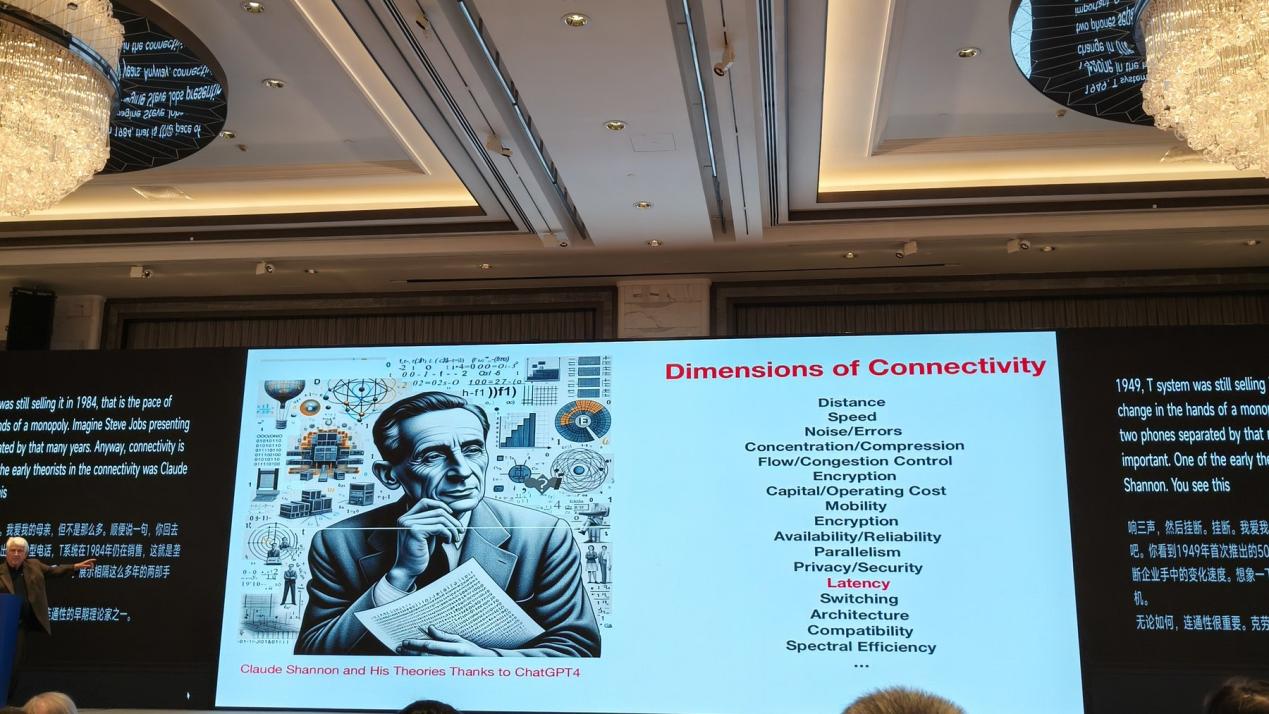
Modern communications networks rest on a complex system of interacting dimensions, including distance, speed, noise and errors, encryption, latency, architecture, and compatibility, rather than on a single technology.
Shannon's theory supplies a mathematical foundation for these dimensions. Subsequent engineering has continually optimized within their constraints, enabling the transition from telephony to the Internet. Evaluating a communications technology therefore requires looking beyond its surface to understand the multidimensional trade-offs beneath it.
From Batch Computing to ARPANET
8. Punched Cards and Batch Processing
Source page 10
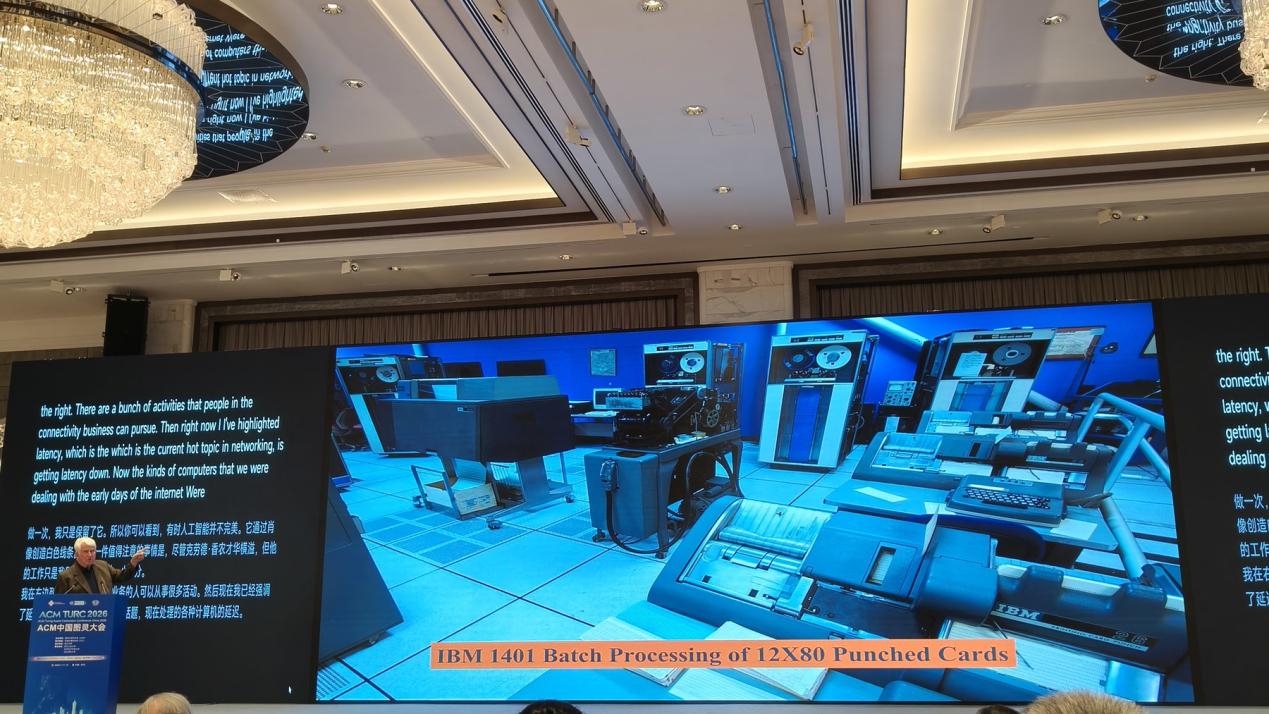
Early computing was not interactive in real time. It depended on physical media, such as punched cards, for offline, batch-oriented, high-latency processing.
Batch processing was the best solution available under the technological constraints of the time. It foreshadowed modern data centers by processing large amounts of information through centralized, standardized, automated workflows.
This echoes the theme of connectivity. From roads to telephone networks to computer systems, each technological transition brings fundamental changes in how efficiently data is processed and how processing is organized. Latency remains a key measure of maturity.
9. From Waiting for Results to Interactive Computing
Source page 11
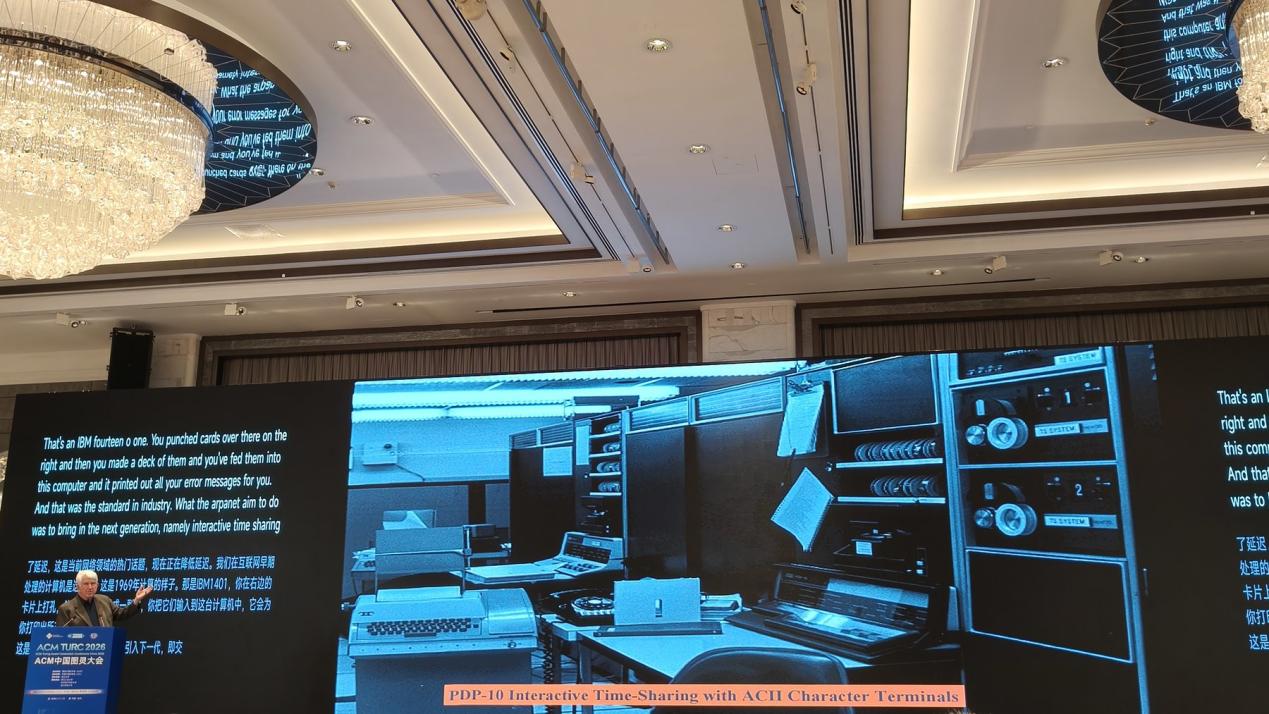
Computer use evolved from the IBM 1401 era's high-latency, offline, noninteractive punched-card batches to real-time sharing and immediate feedback.
This was both a technical breakthrough and a fundamental restructuring of the relationship between people and computers. Users no longer had to wait passively for results: they could participate directly, debug immediately, and adjust dynamically.
The transition laid foundations for modern operating systems, network protocols, and user-interface design. It also anticipated the Internet-era idea of connectivity as a service.
10. ARPANET and Resource Sharing
Source page 12
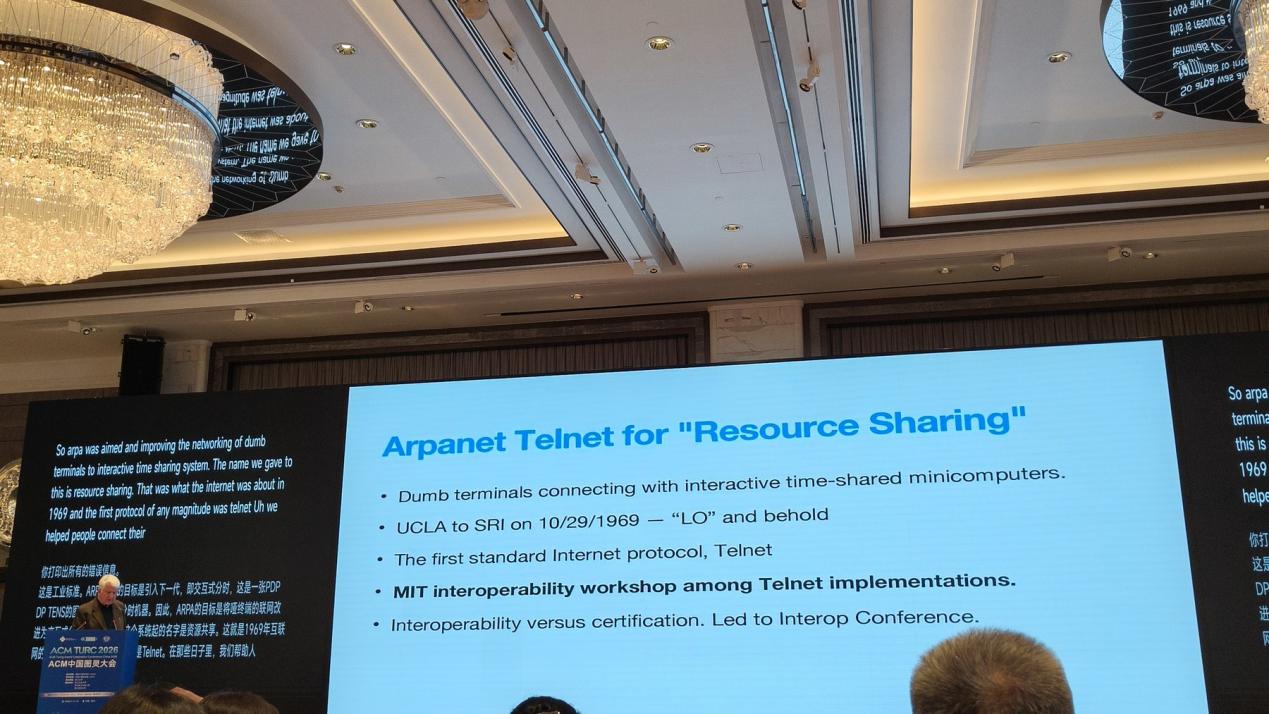
The Internet's earliest form was not the World Wide Web or the information superhighway familiar today. It was a network intended to connect dumb terminals to interactive time-sharing systems, enabling remote access to shared computing resources.
The source describes Telnet as the first standard Internet protocol, created to serve this purpose. From the first UCLA-to-SRI connection and its "LO and behold" anecdote, through MIT interoperability workshops and the later Interop conferences, these events mark the transition from theory to practice and from isolated systems to interoperability.
11. The ARPANET 1822 IMP Interface
Source page 13
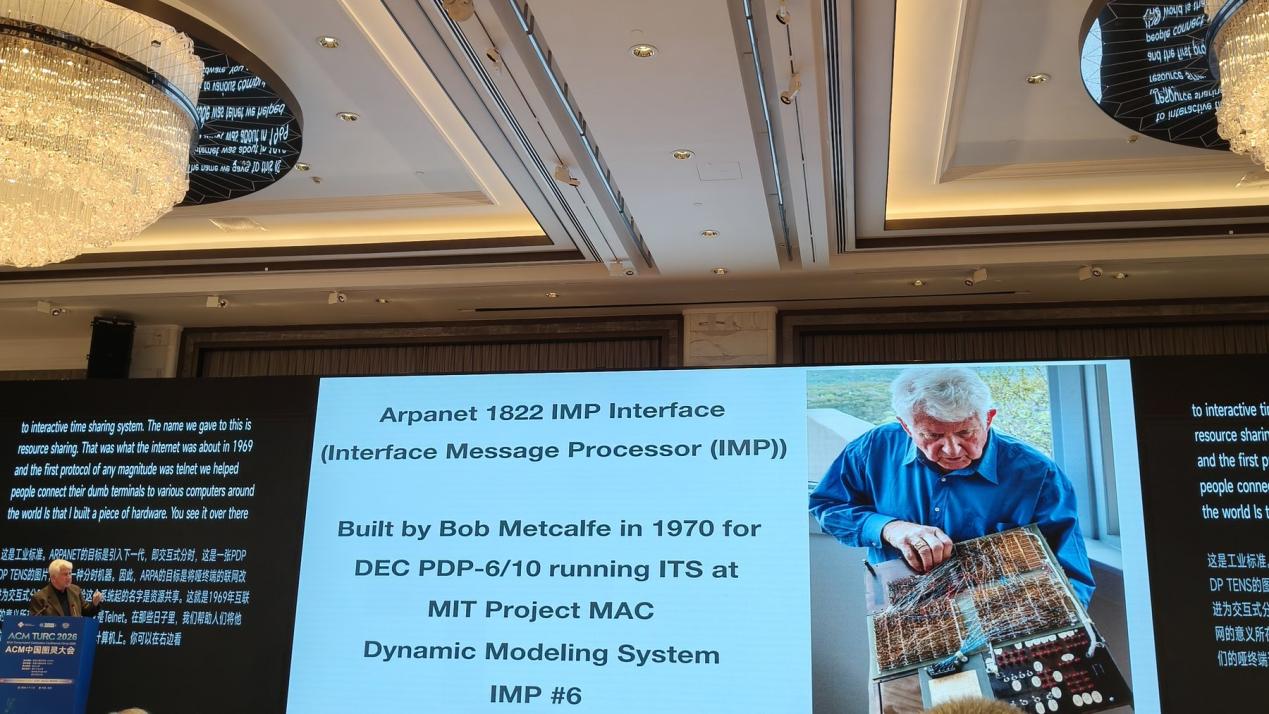
In 1970, Bob Metcalfe built an ARPANET 1822 IMP interface for the DEC PDP-6/10 systems at MIT Project MAC. The Interface Message Processor, or IMP, illustrates that the early Internet depended on specialized hardware for reliable communication between nodes, not just on software protocols.
As a precursor to the modern router, the IMP handled packet routing, forwarding, and errors. It shows that layered and modular engineering was present from the beginning of network architecture.
This hardware supported ARPANET's stable operation and provided a physical foundation for later TCP/IP standardization, helping networking move from laboratory experiments toward a global system.
12. A Map of the Early Internet
Source page 14
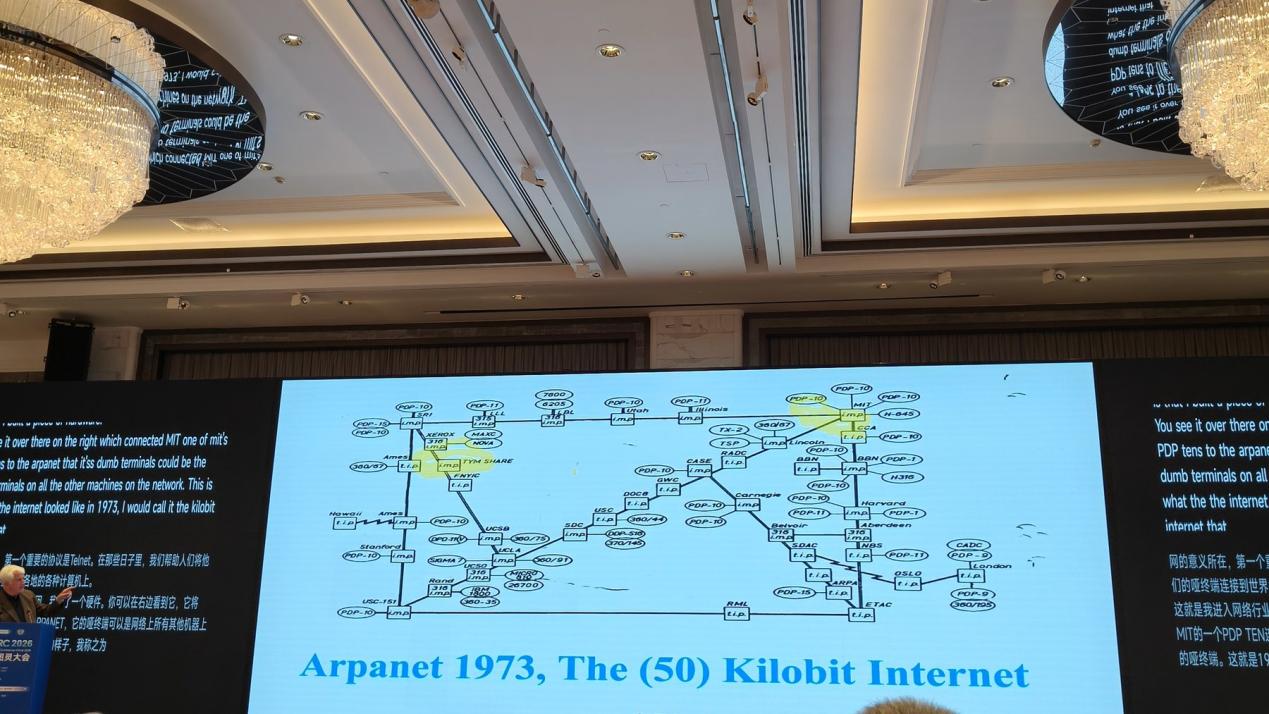
The diagram shows the physical connection structure and node distribution of the Internet in its formative stage. Connected circles represent computing nodes such as PDP-10 systems and IMPs, with labels for institutions including MIT, Stanford, and Harvard, and communications components or protocol labels such as t.i.p. and i.m.p..
It illustrates how early networks used hardware interfaces to share resources across geographic boundaries.
Xerox PARC and the Birth of Ethernet
13. Moving Computing onto the Desktop
Source page 15
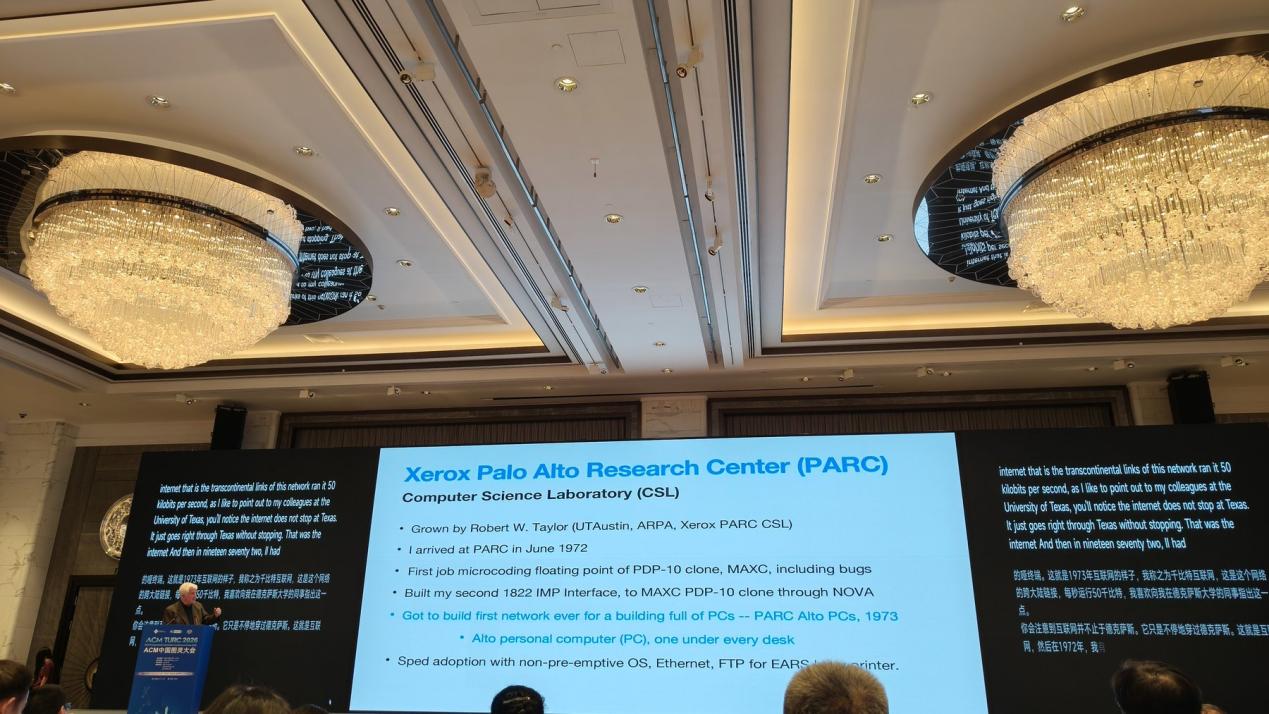
By introducing the history of the Computer Science Laboratory at the Xerox Palo Alto Research Center, or Xerox PARC, the speaker shows that the Internet's development was not simply an expansion of the ARPANET wide-area network. It was also a movement of computing power onto individual desktops.
14. From Resource Sharing to Email, and from Terminals to PCs
Source page 16
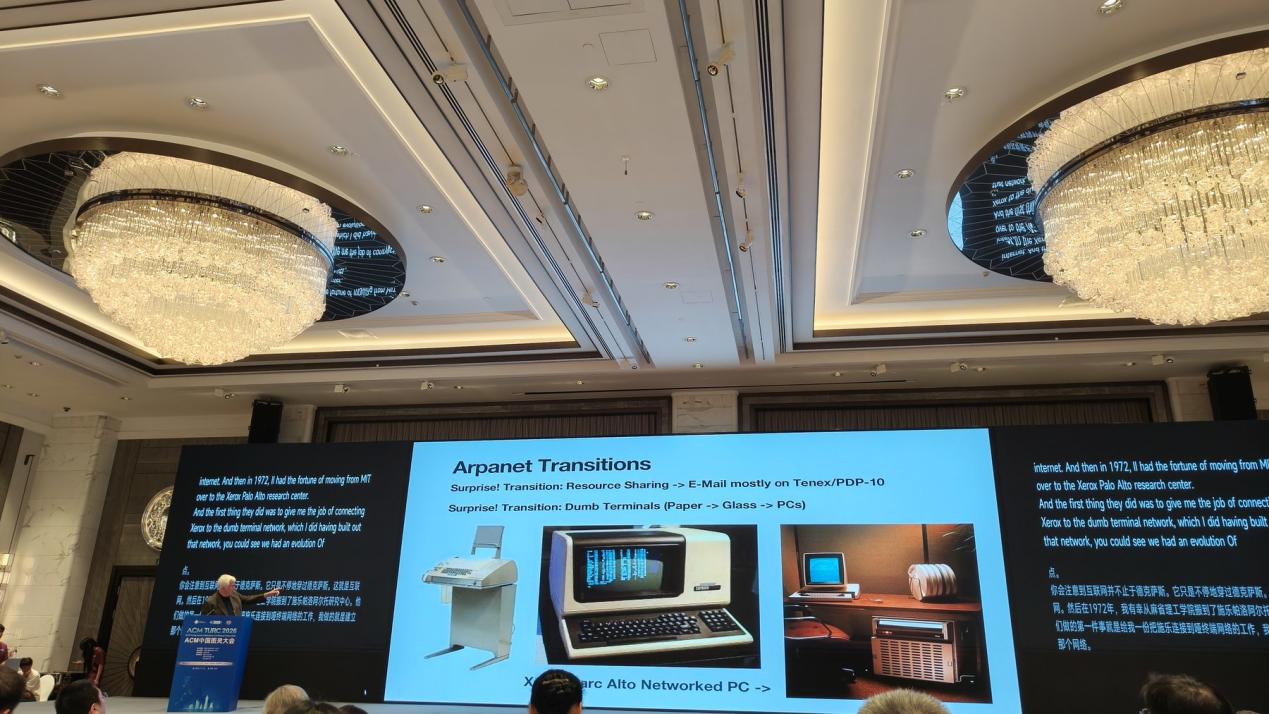
ARPANET's main use shifted from resource sharing toward email, while end-user devices evolved from dumb terminals into personal computers. Historical photographs and notes from Xerox PARC illustrate that Internet development was gradual, involving changes in both user behavior and device form.
The main points are:
- Changing purpose: ARPANET was designed for resource sharing but unexpectedly became an email communication tool, particularly on Tenex/PDP-10 systems.
- Changing terminals: Devices evolved from dumb terminals with paper output to glass screens and eventually PCs.
- Concrete hardware examples: Equipment such as the Xerox Alto Networked PC shows how computing terminals became desktop-based and networked.
- Personal experience: The speaker relates his move from MIT to Xerox PARC in 1972 and his work connecting Xerox to the dumb-terminal network.
15. Ethernet's Origins
Source page 17
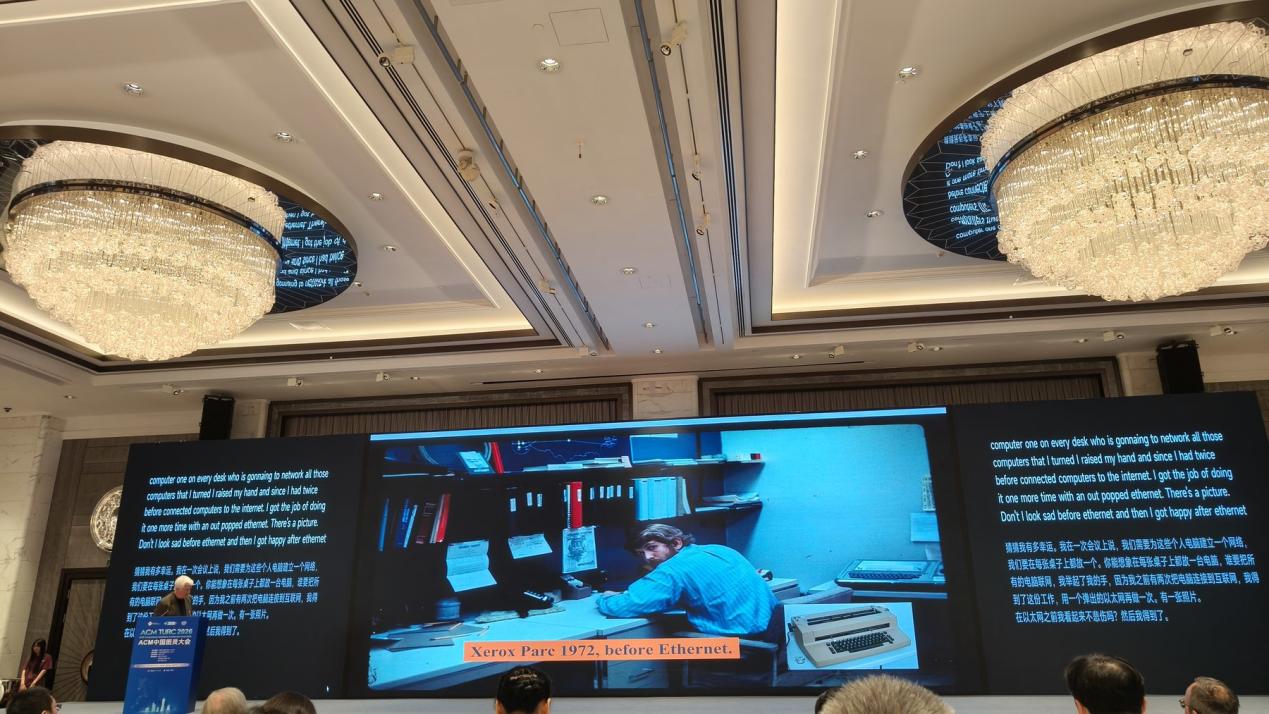
Bob Metcalfe first proposed and named Ethernet at Xerox PARC in 1973, establishing a foundation for local-area network communication protocols.
Ethernet used carrier-sense multiple access with collision detection, or CSMA/CD, to let multiple devices share a channel. It gradually displaced alternatives such as Token Ring and became a global standard.
Its central value was a simple, open design that connected computing devices, providing physical and protocol foundations for the modern Internet.
16. The Ethernet Memo
Source page 18
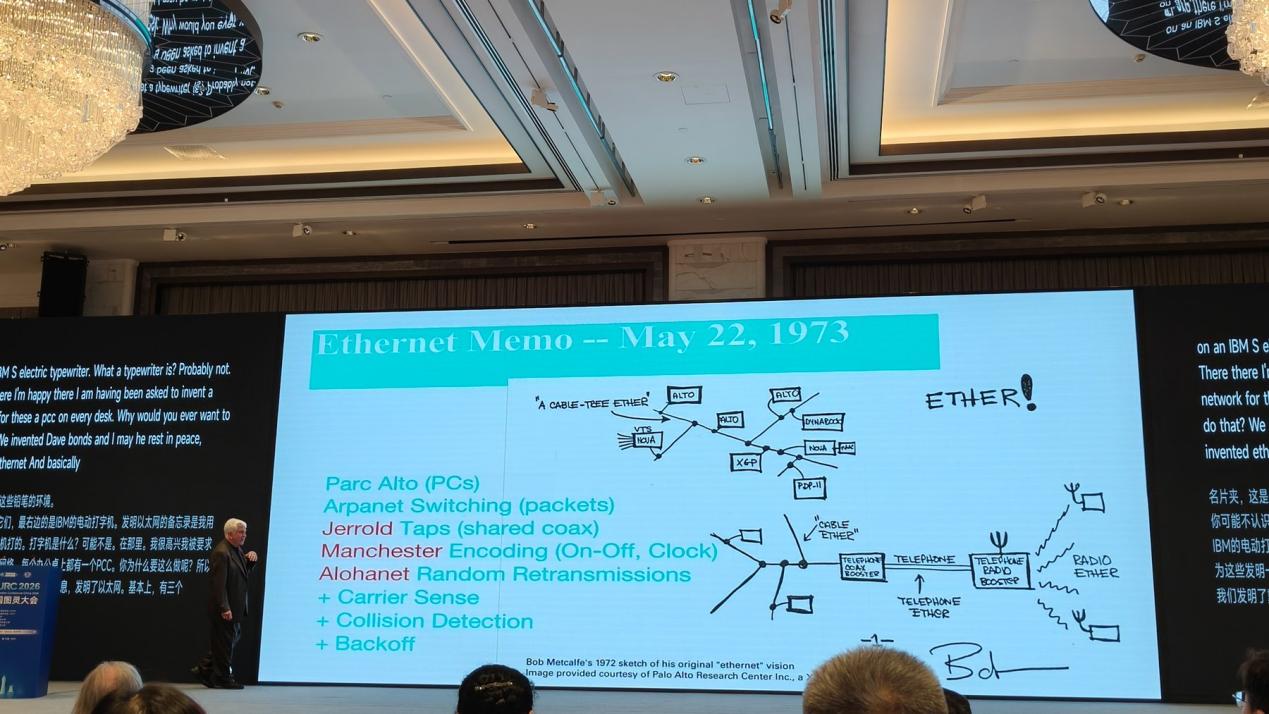
This memo marks Ethernet's transition from concept to engineering implementation. It brought together leading technologies: the PARC Alto personal computer, ARPANET packet switching, shared coaxial cable with Jerrold taps, Manchester encoding, and ALOHAnet-style random retransmission.
The source notes describe its introduction of carrier sensing, collision detection, and backoff as laying the protocol foundation for modern local-area networking. Its emphasis on simplicity, reliability, and scalability made it a direct precursor to the later IEEE 802.3 standard.
17. Xerox Alto and Its Ethernet Card
Source page 19
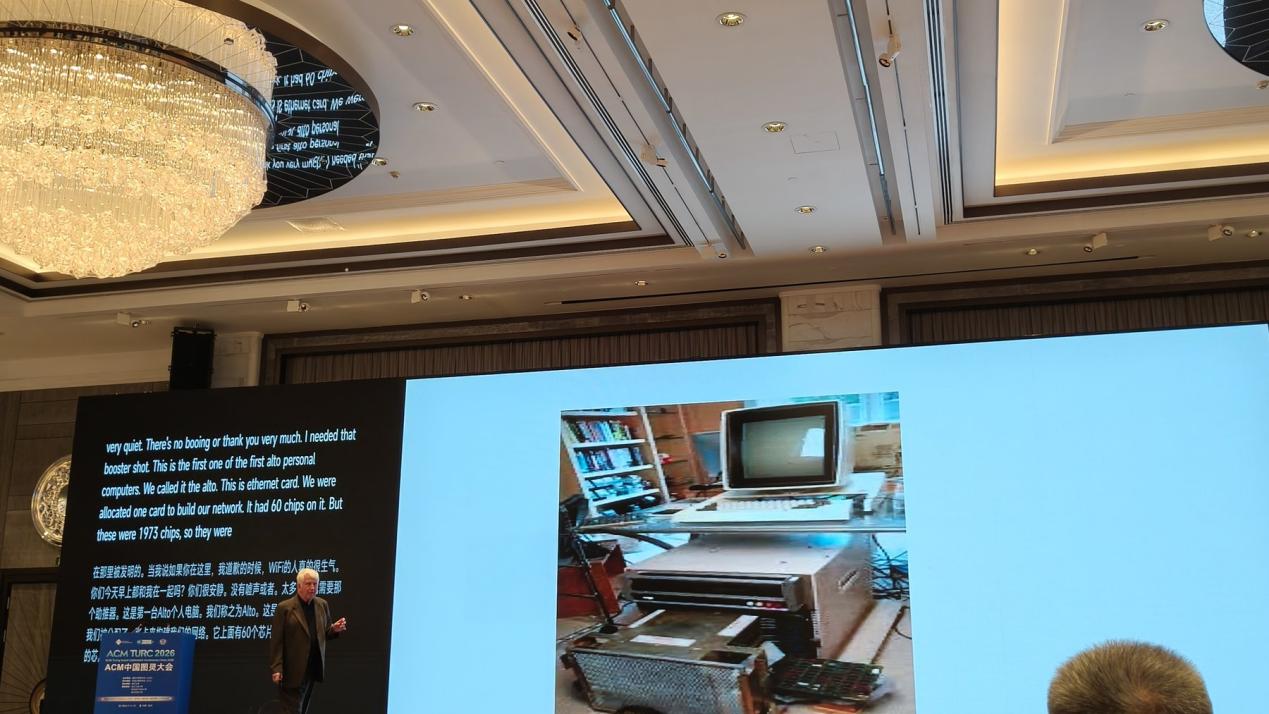
Introduced at Xerox PARC in 1973, the Xerox Alto was a landmark system. The source describes it as the first modern personal computer and credits it with introducing concepts such as the graphical user interface, mouse, desktop metaphor, and WYSIWYG editing.
Its Ethernet card used only 60 chips but enabled local-area communication, helping establish the basis for IEEE 802.3. Although the Alto was not commercialized, it strongly influenced product design at Apple, Microsoft, and other companies and helped establish the modern computing paradigm.
18. Competing Paths to Connectivity at PARC
Source page 20
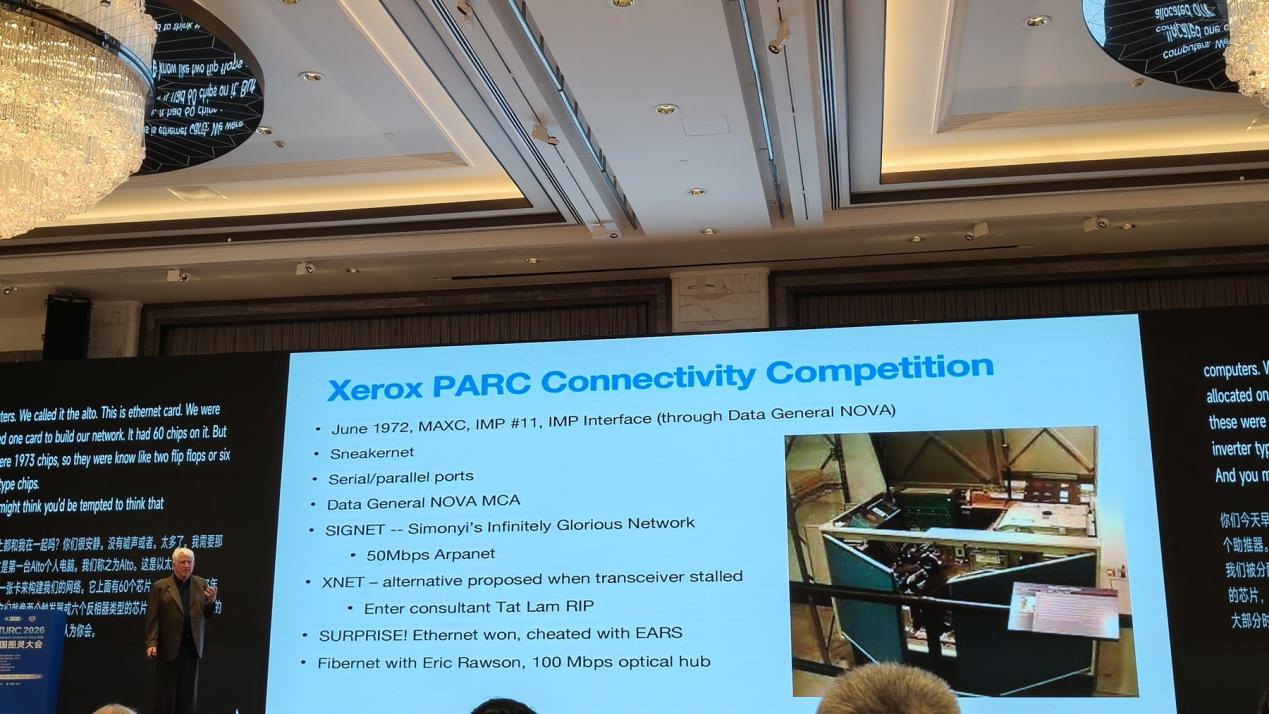
Ethernet was one option among many, including MAXC, Sneakernet, which relied on physically carrying data, and SIGNET, described in the source as a 50 Mbps ARPANET approach.
An important turning point came when transceiver failures prompted the XNET alternative, followed by Ethernet's eventual and unexpected success. This history reflects the diversity and uncertainty of early networking approaches. It also shows how standards emerge through decisions and compromises made in particular circumstances.
19. The First Personal Computer with Ethernet
Source page 21
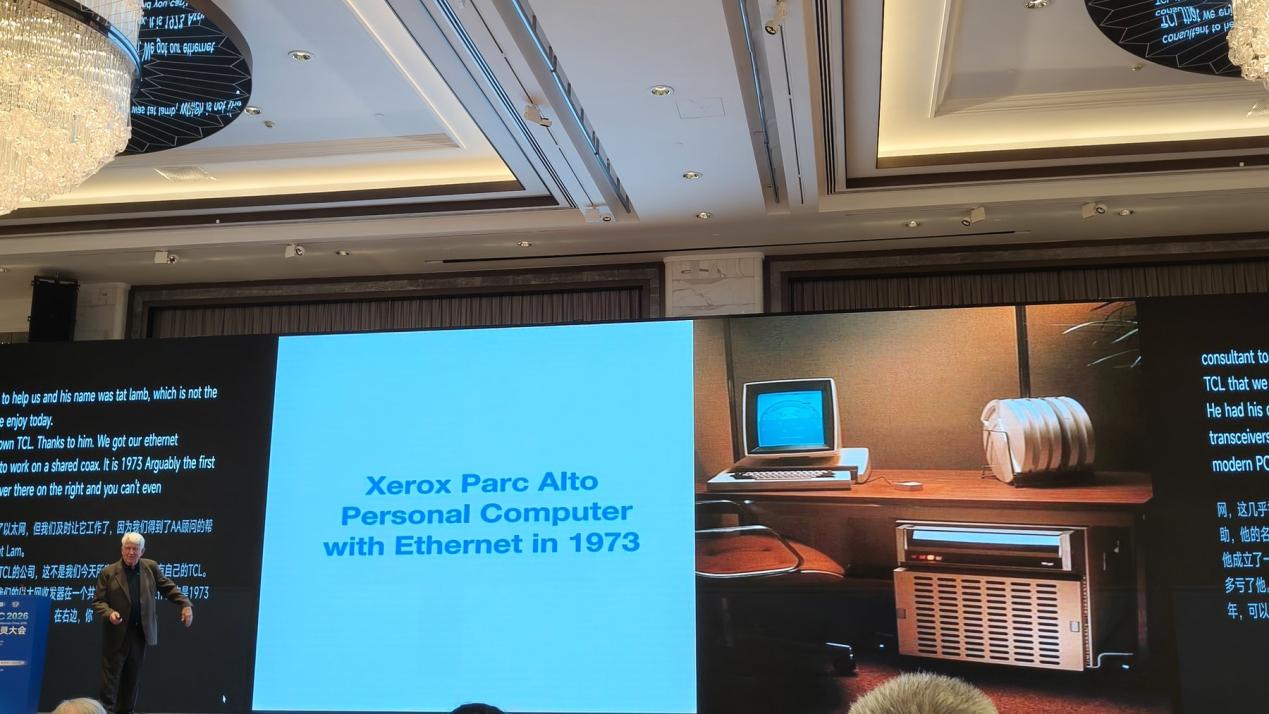
The first personal computer equipped with Ethernet.
Commercializing Ethernet
20. 3Com's Business Plan
Source page 22
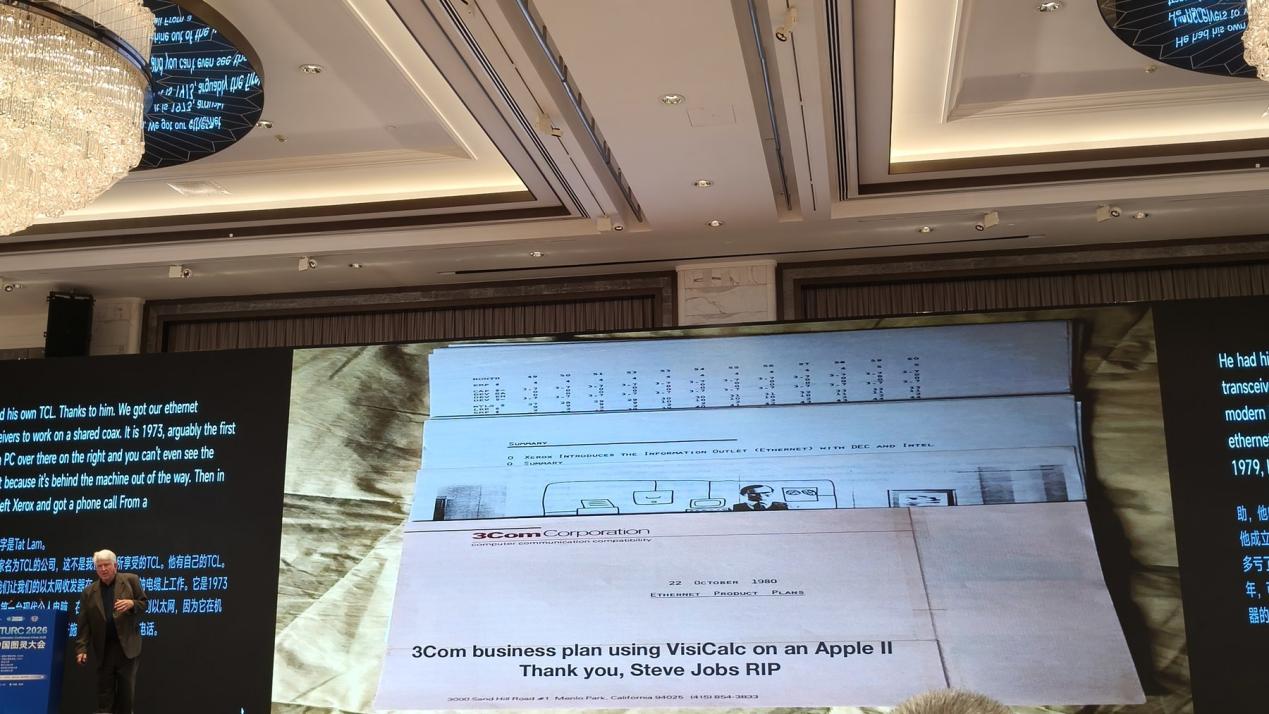
In 1979, Bob Metcalfe left Xerox to found 3Com and commercialize Ethernet. This 1980 business plan marks Ethernet's emergence as an independent networking solution presented to major companies such as DEC and Intel.
The reference to preparing the plan with an Apple II and VisiCalc shows the role of early personal computers in business decision-making. It also suggests an indirect contribution from the Apple ecosystem to networking's spread. The appearance of Steve Jobs's name symbolizes the meeting of the personal-computing and networking revolutions.
21. The People Behind 3Com
Source page 23
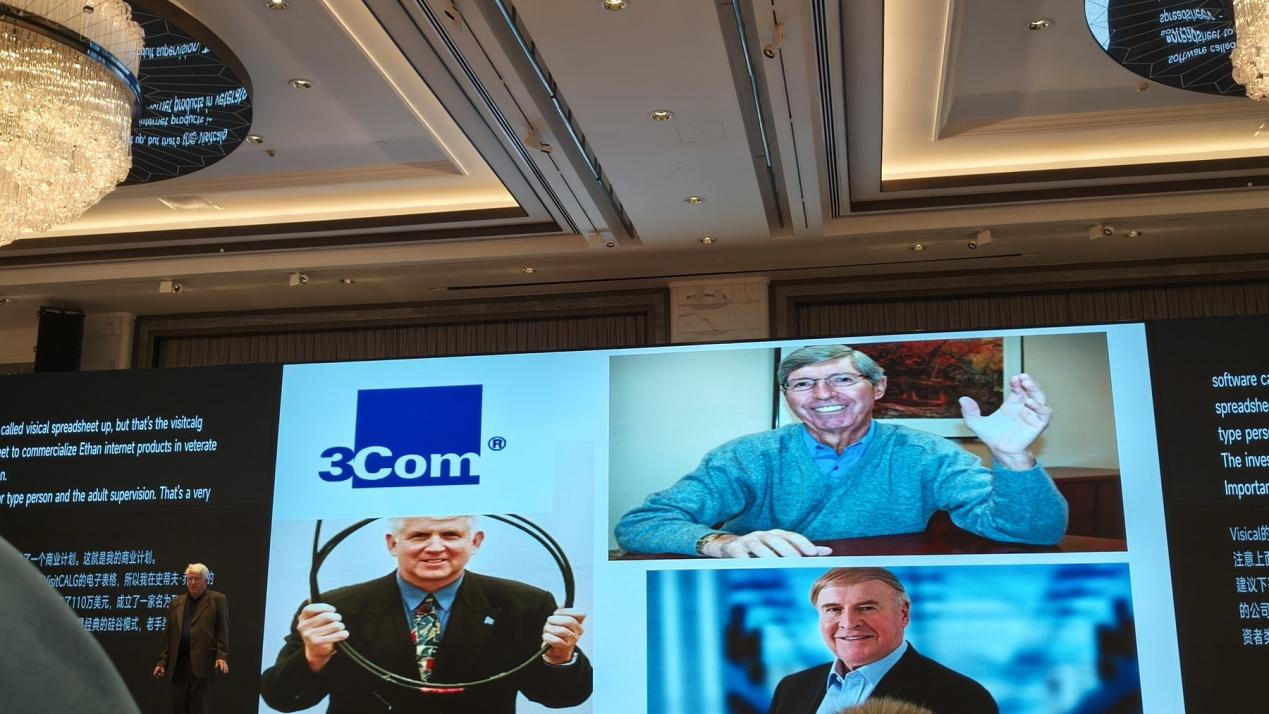
At the lower left is Bob Metcalfe, the father of Ethernet, holding an original Ethernet cable. At the upper right is Bill Krause, a former 3Com CEO. At the lower right is Richard Kramlich, co-founder of NEA.
The page focuses on the people behind 3Com. Metcalfe, as Ethernet's inventor and the company's founder, provided its technical foundation. Krause brought professional management that helped move the company from the laboratory to the market. Venture capital, represented by Kramlich, supplied critical early funding.
22. The IBM PC and EtherLink
Source page 24
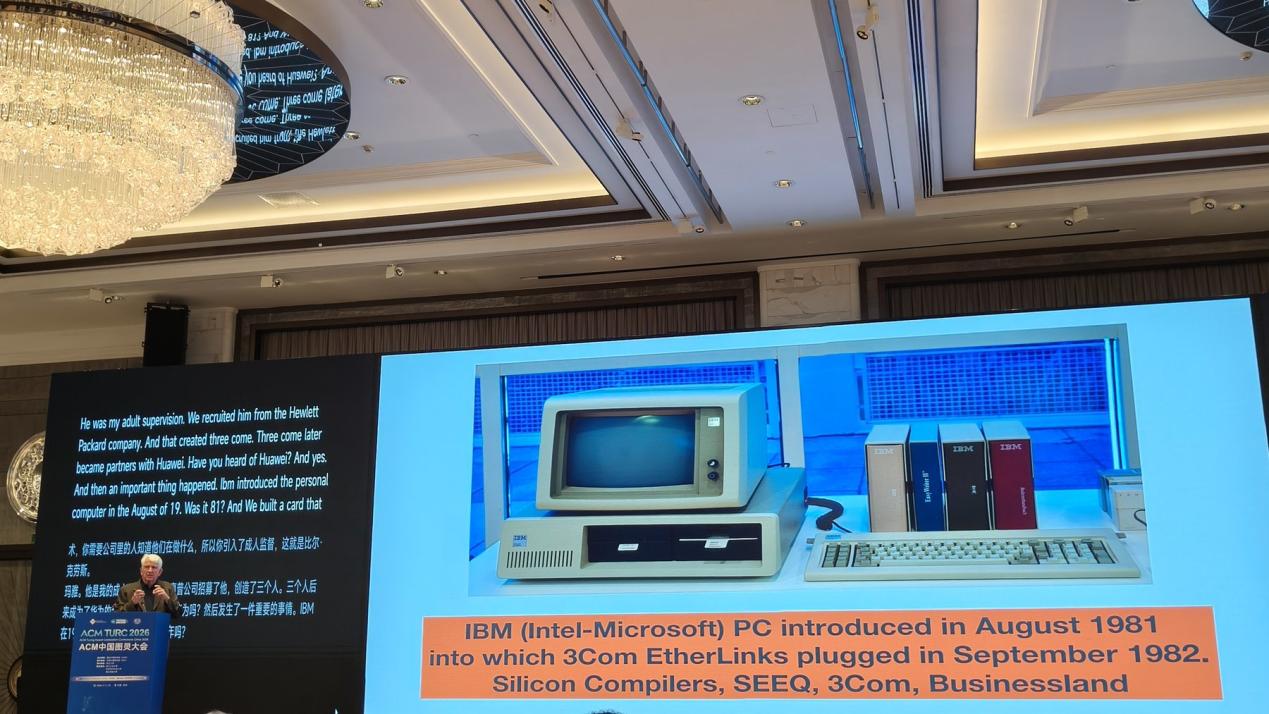
Released in August 1981 with an Intel 8088 processor and Microsoft's MS-DOS, the IBM PC established an open-architecture standard. In September 1982, 3Com introduced its first EtherLink ISA network card for the platform, bringing Ethernet connectivity to the PC.
The source presents this as a departure from IBM's intended Token Ring approach and as an accelerator of enterprise LAN adoption. It brought personal computing and network communications together, helping establish modern enterprise networking.
The Evolution and Impact of the Internet
23. Ethernet's Evolving Technologies
Source page 25
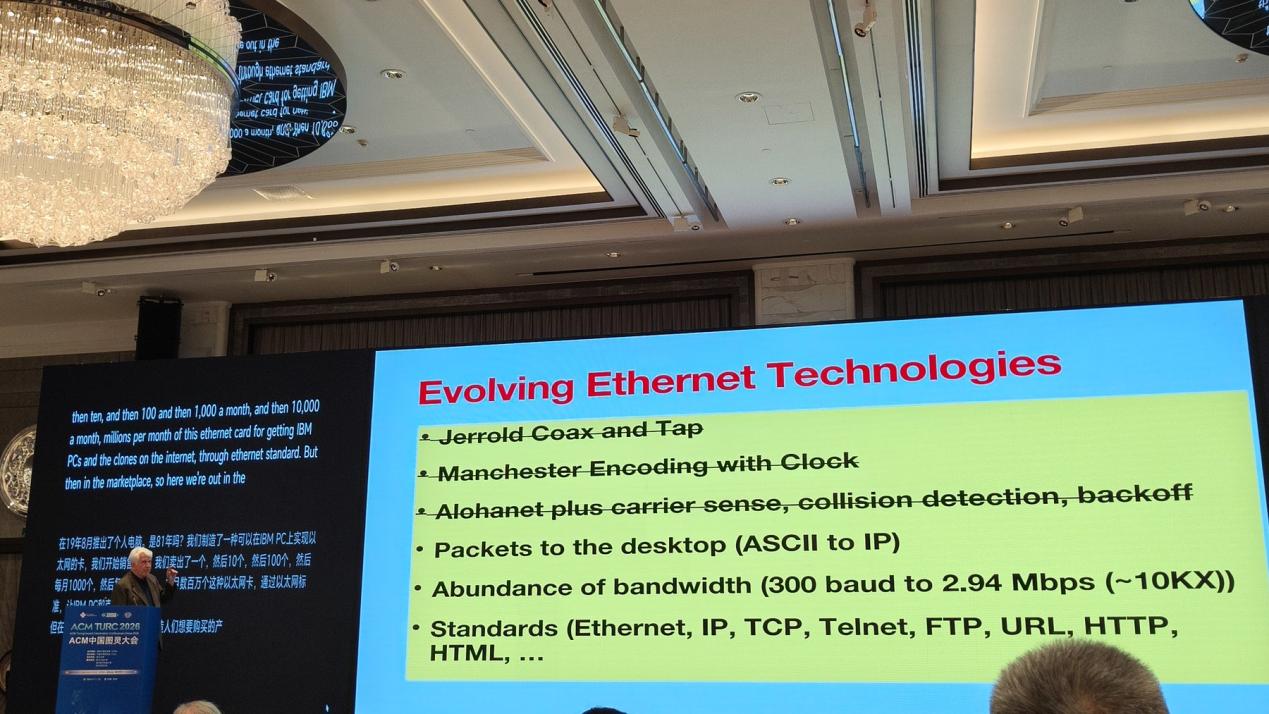
The source traces a path from Jerrold coaxial cable and tap connections through Manchester encoding and the carrier-sensing and collision-detection mechanisms it associates with ALOHAnet, then from ASCII to IP packet transmission and from 300 baud to 2.94 Mbps.
These developments ultimately form a complete protocol stack including Ethernet, IP, TCP, and HTTP. They laid the foundations of modern local-area networks and illustrate the systematic construction of communications standards from the physical layer through the application layer.
24. The Evolution of Computing Platforms
Source page 26
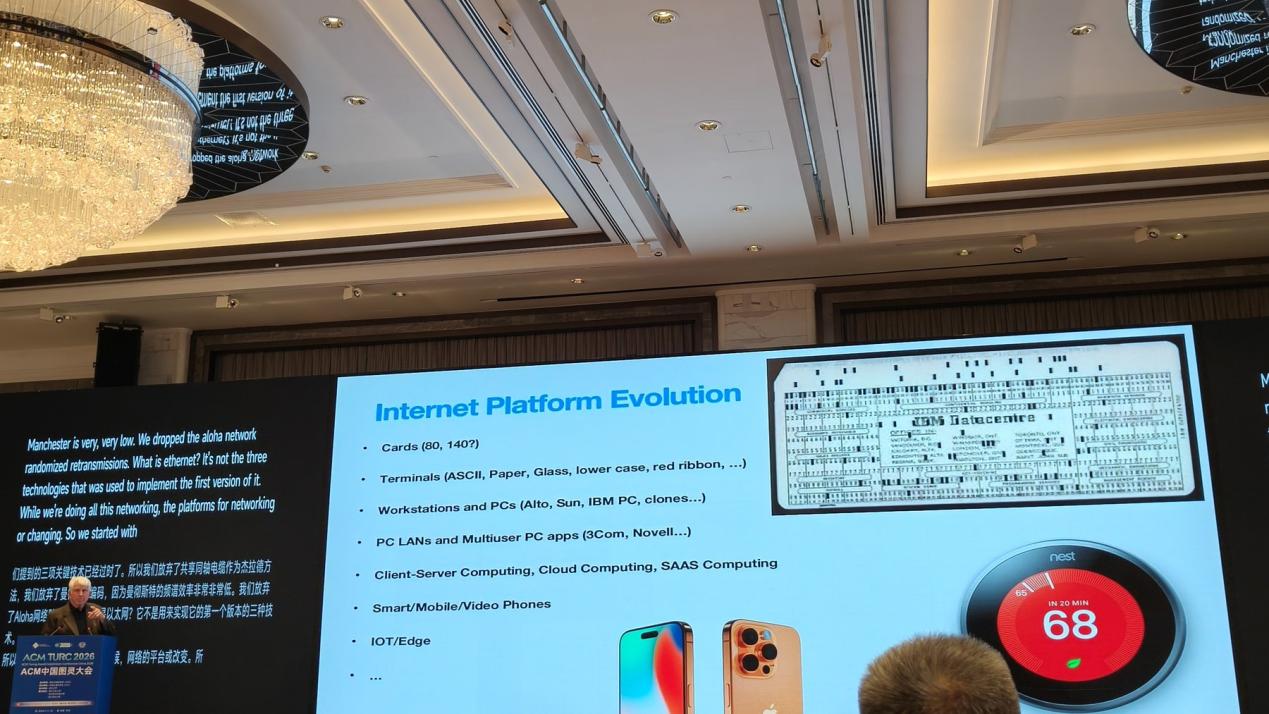
Computing evolved from punched cards and terminals to widespread workstations and PCs, then to local-area networks, client-server architectures, cloud computing, and software as a service. It is now moving toward smart mobile devices and Internet of Things edge computing.
The transition is more than a change in hardware form. It shifts the center of computing from centralized to distributed systems and from general-purpose computing toward context-specific applications.
The juxtaposition of a Nest thermostat and an iPhone symbolizes computing power becoming embedded in the physical world, moving human-computer interaction beyond the screen and into the environment.
25. From Characters to Multimodal Interaction
Source page 27
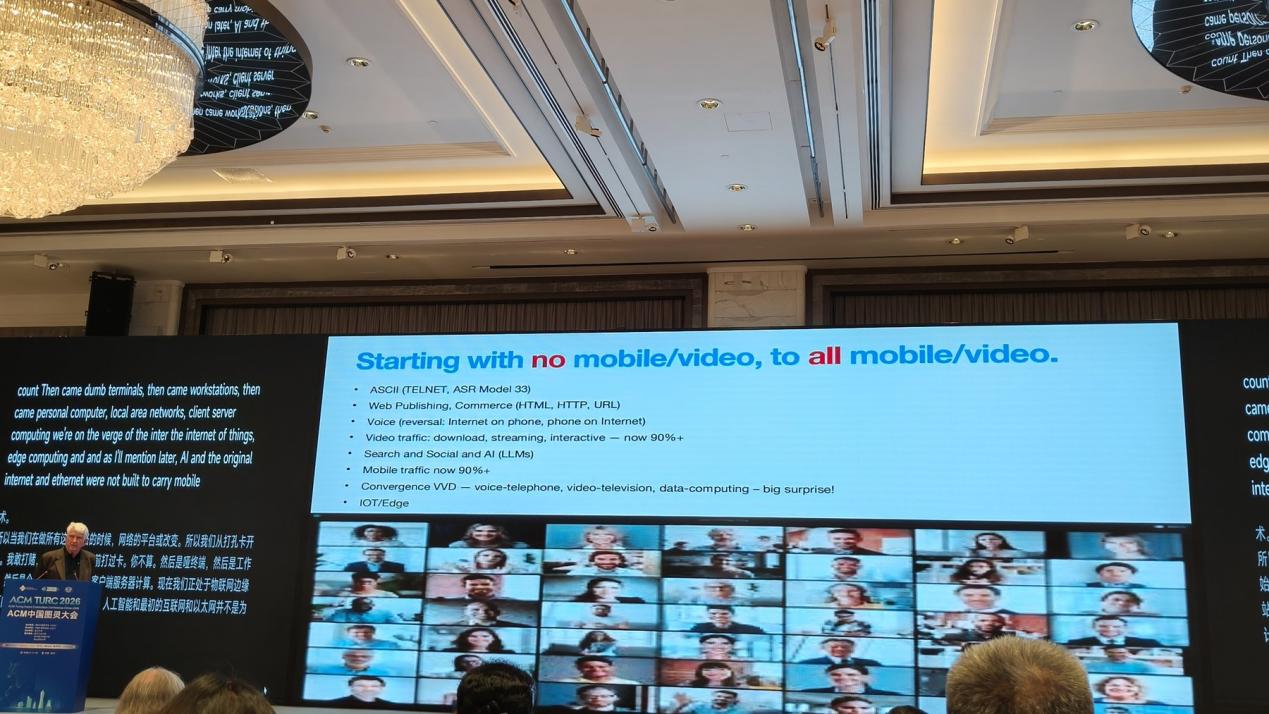
The progression runs from ASCII terminals to web publishing, voice integration, and the dominance of video traffic, described in the source as exceeding 90%, followed by search, social platforms, large AI models, and ultimately IoT edge computing.
This reflects more than higher bandwidth. It represents a fundamental change from character-based to multimodal human interaction and the accompanying need to restructure network architectures for real-time media.
26. The Internet's Disruptions
Source page 28
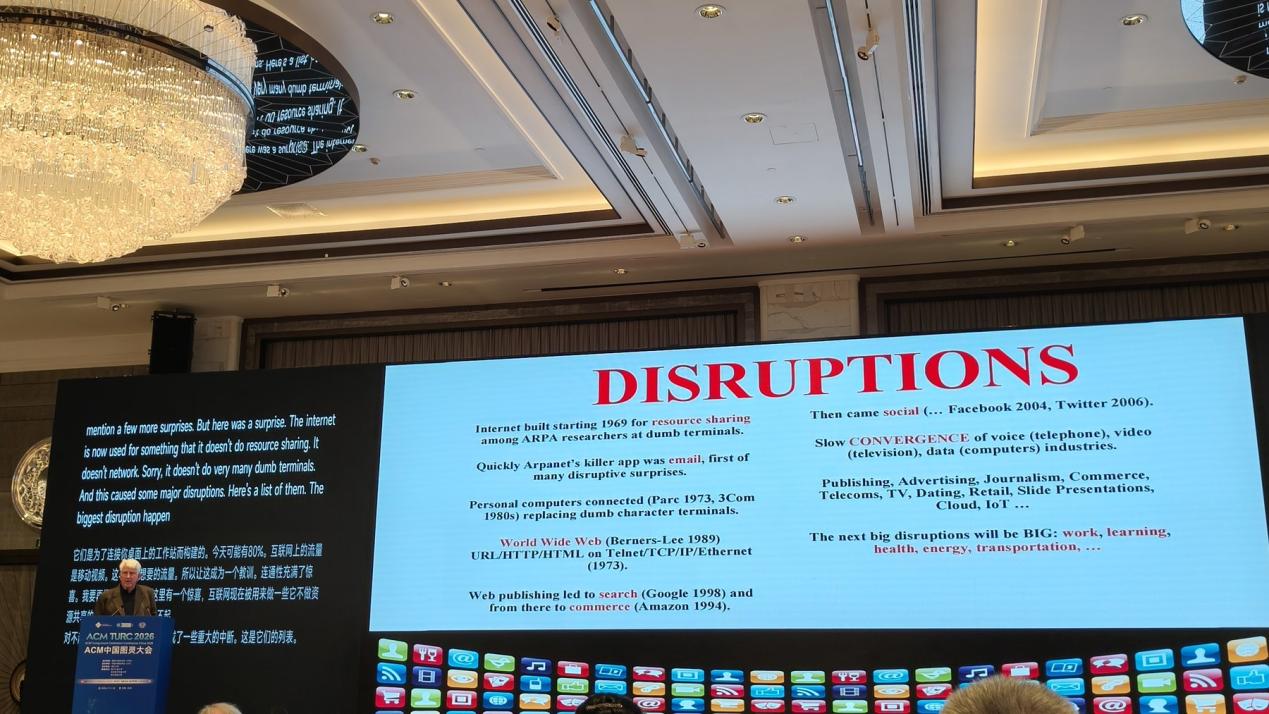
The Internet evolved from a resource-sharing tool in 1969 into global infrastructure. Milestones include email, PC connectivity, the birth of the Web, the rise of search and e-commerce, the expansion of social media, and the convergence of voice, video, and data.
These changes transformed information dissemination and reshaped traditional industries such as publishing, advertising, and retail. They also point toward deeper changes in work, learning, and health.
27. Connectivity and Global Poverty
Source page 29
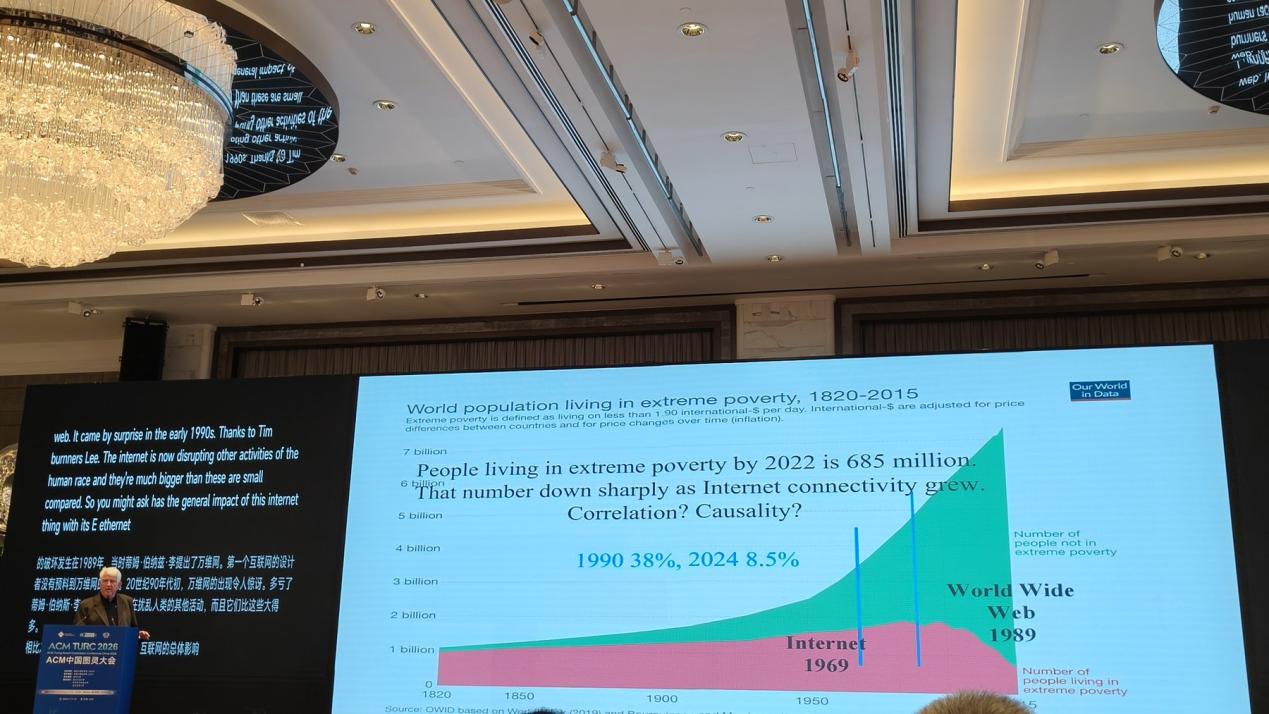
The chart visualizes a decline in the global extreme-poverty rate from 38% in 1990 to 8.5% in 2024. It also marks the Internet's emergence in 1969 and the Web's in 1989, inviting academic discussion about causal relationships between technological diffusion and socioeconomic improvement.
Attributed to Our World in Data, the chart uses international-dollar measures to account for inflation and cross-country differences. The notes emphasize technology's potential role as infrastructure that improves human well-being.
28. Connectivity's Pathologies
Source page 30
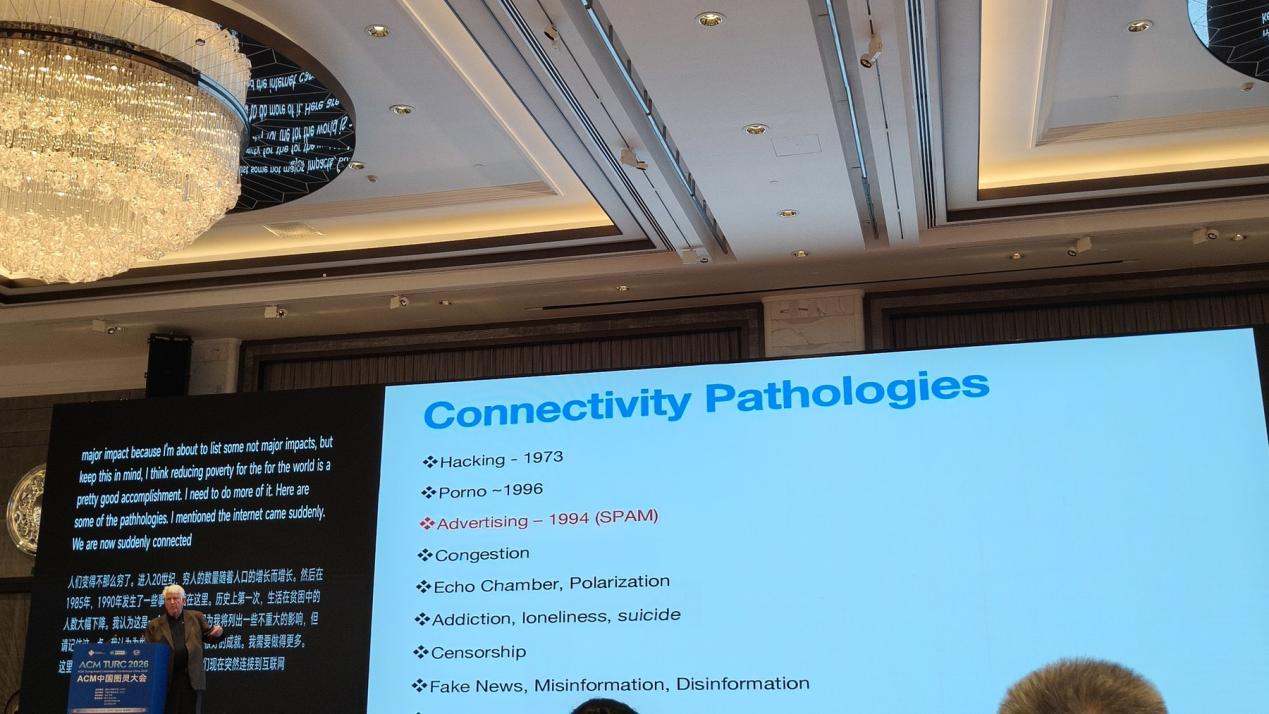
The timeline moves from hacking in 1973, spam in 1994, and the spread of pornography in 1996 to contemporary echo chambers, information addiction, censorship, and misinformation.
The source argues that these pathologies are not accidental. They arise from the interaction between open network architecture and complex human behavior, exposing the limits of technological neutrality in social applications.
29. The First Paid Banner Advertisement
Source page 31
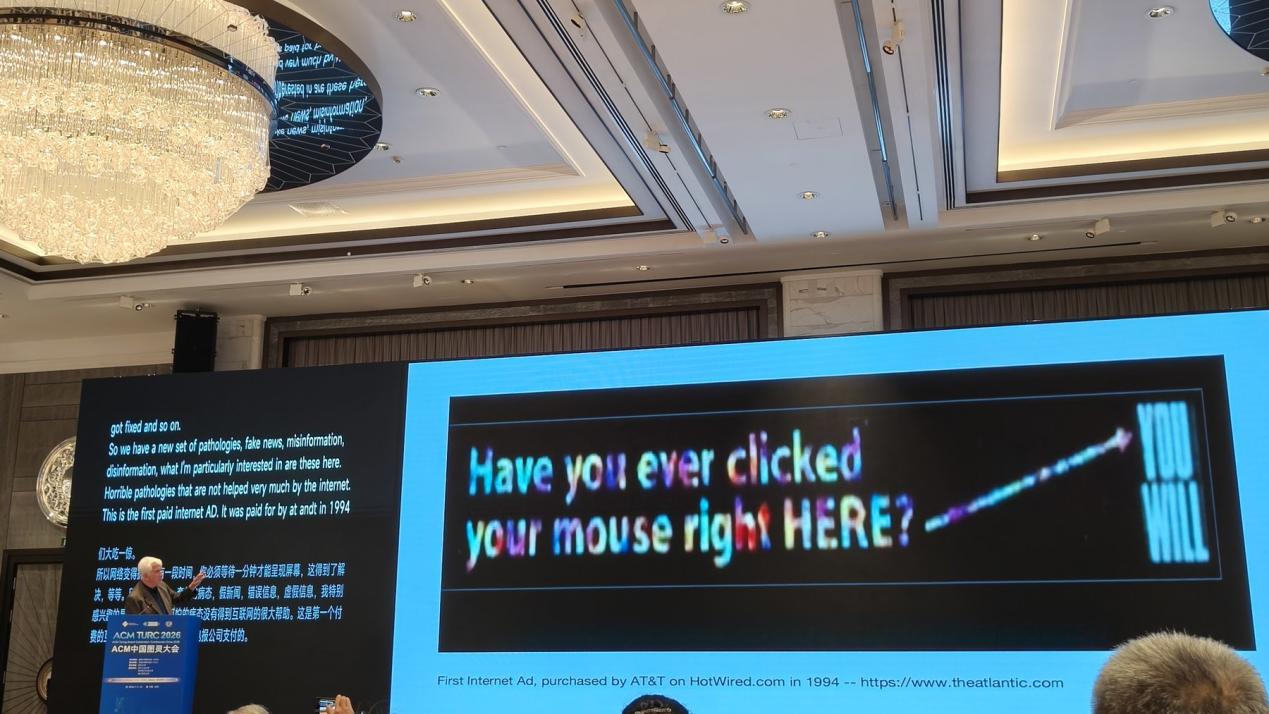
The source identifies this as the Internet's first paid banner advertisement, placed by AT&T on HotWired.com in 1994. It asks, "Have you ever clicked your mouse right HERE?" and includes a directional arrow and the words "YOU WILL" to encourage interaction.
The advertisement marked an important milestone in the commercialization of the Web, with a reported click-through rate as high as 44%.
Laws, Reversals, and the Future of Connectivity
30. Unexpected Reversals in Technological Development
Source page 32
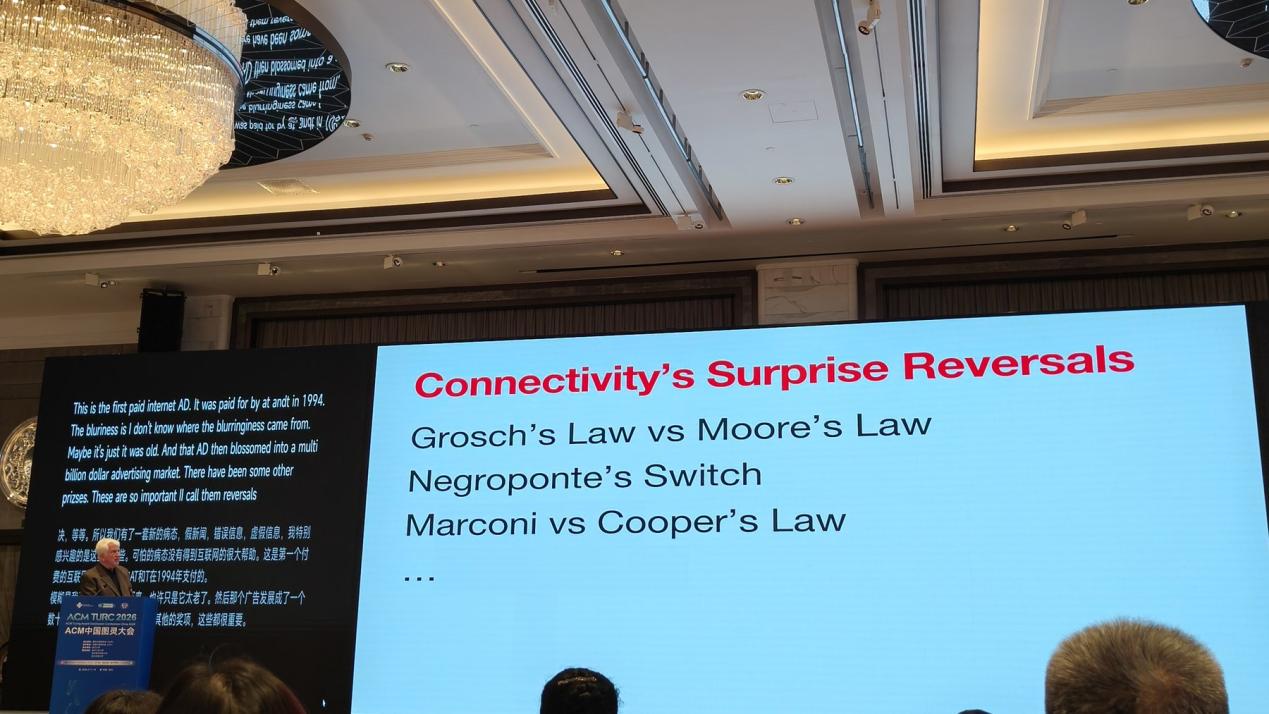
Comparing classic technological laws, such as Grosch's law and its emphasis on centralized mainframe computing, and Moore's law and its prediction of exponential chip-performance growth, reveals how technological development can reverse early expectations.
Negroponte's shift from atoms to bits and the interplay between Marconi's and Cooper's laws further illustrate the disruptive migration of information from physical to digital forms. Together, these examples reveal the nonlinear character of technological paradigm shifts.
31. Route 128 versus Route 101
Source page 33
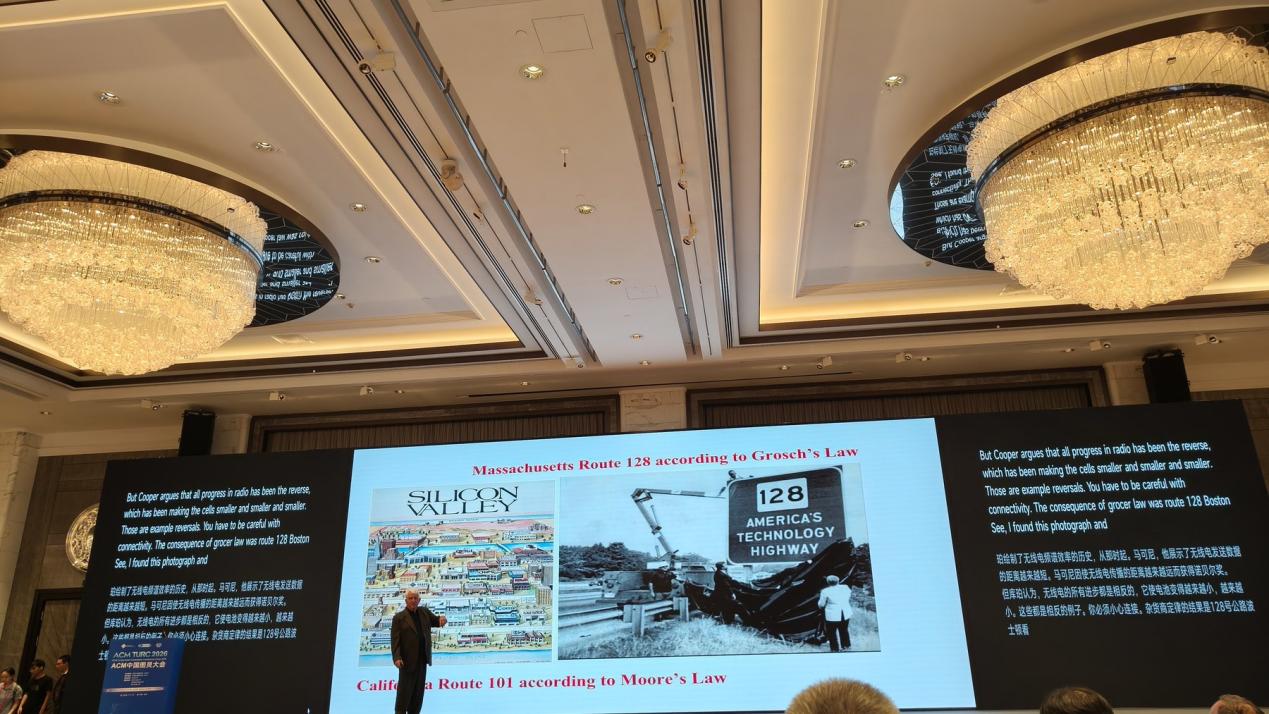
Route 128 symbolizes the centralized, mainframe-era technology ecosystem associated with Grosch's law. Route 101 represents Silicon Valley's distributed, miniaturized model, driven by Moore's law.
This contrast shows that technological development is not simply a linear extension of earlier trends. Changes in underlying principles can reverse its direction.
Cooper's reflections on radio reinforce the point: progress often means smaller devices and decentralization, rather than simply greater size or range. Such reversals are characteristic of paradigm shifts and reveal technology's discontinuous evolution.
32. Metcalfe's Law and Critical Mass
Source page 34
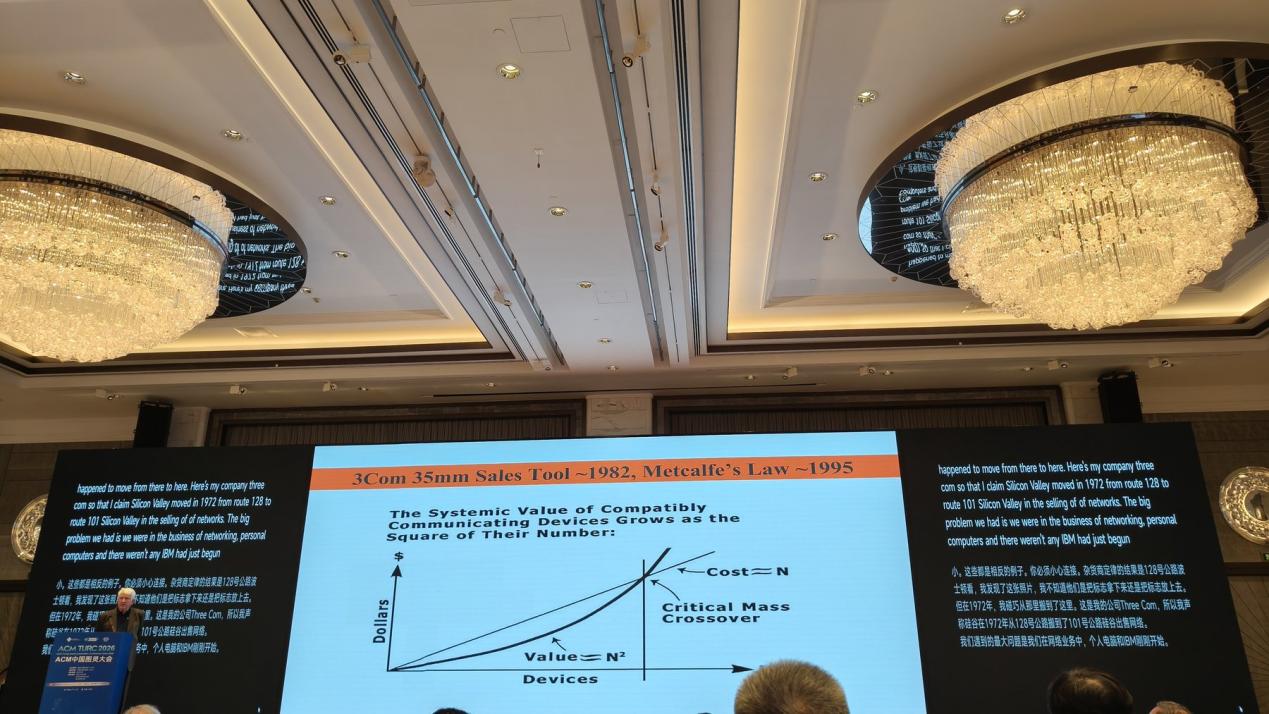
The formula Value = N² expresses the central idea of Metcalfe's law: network value is proportional to the square of the number of nodes. It is a mathematical expression of network externalities.
The chart's "Critical Mass Crossover" marks the point where a network moves from being dominated by cost to rapidly expanding value, a key threshold for platform products to move beyond break-even.
Proposed by Robert Metcalfe, the law is often used to explain rapid growth in Internet services, social platforms, and payment systems. At its core is the nonlinear amplification of value created by connections.
33. Cooper's Law of Spectral Efficiency
Source page 35
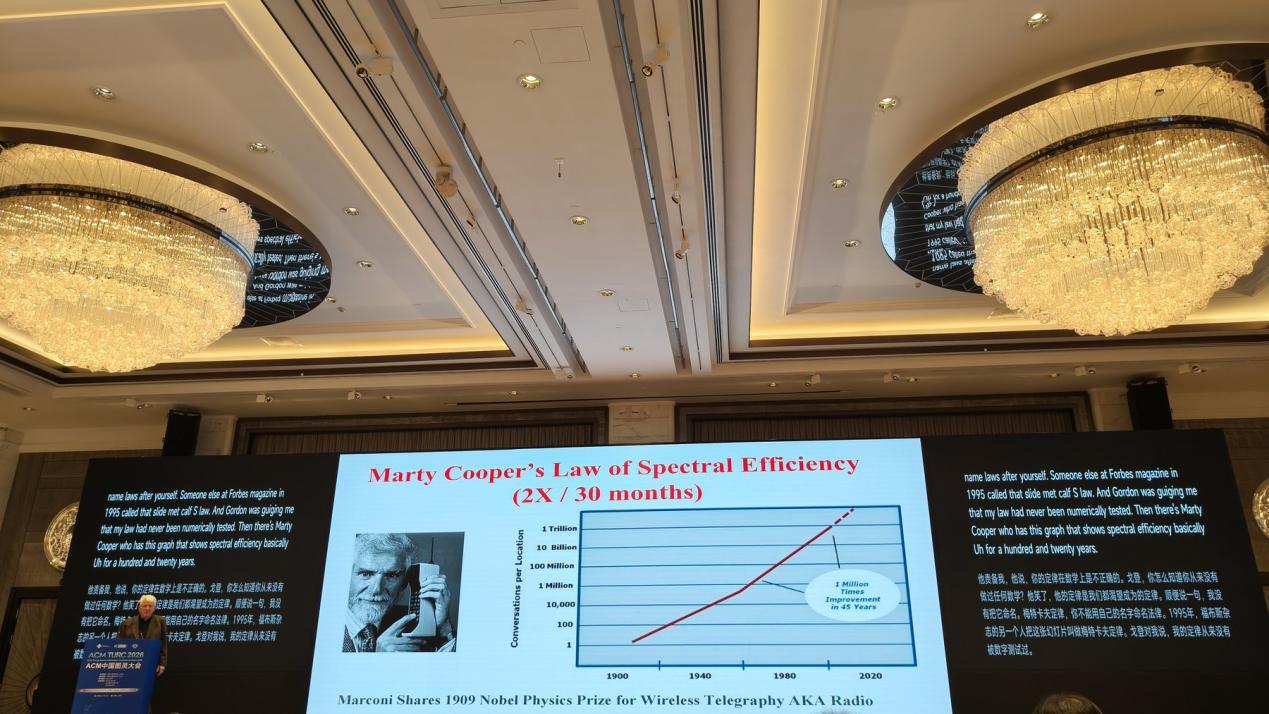
Martin Cooper, known as the father of the mobile phone, proposed a law of spectral efficiency: wireless-system spectral efficiency doubles every 30 months, or 2× per 30 months.
The chart shows call capacity per location rising from single digits around 1900 to the trillion scale by 2020. This exponential growth reflects combined advances in coding, multiple access, and antennas, extending beyond hardware improvements alone.
The speaker also includes anecdotes about naming rights for technological laws, highlighting both competition and consensus among pioneers who define industry standards.
34. The Connectivity Paradox and AI
Source page 36
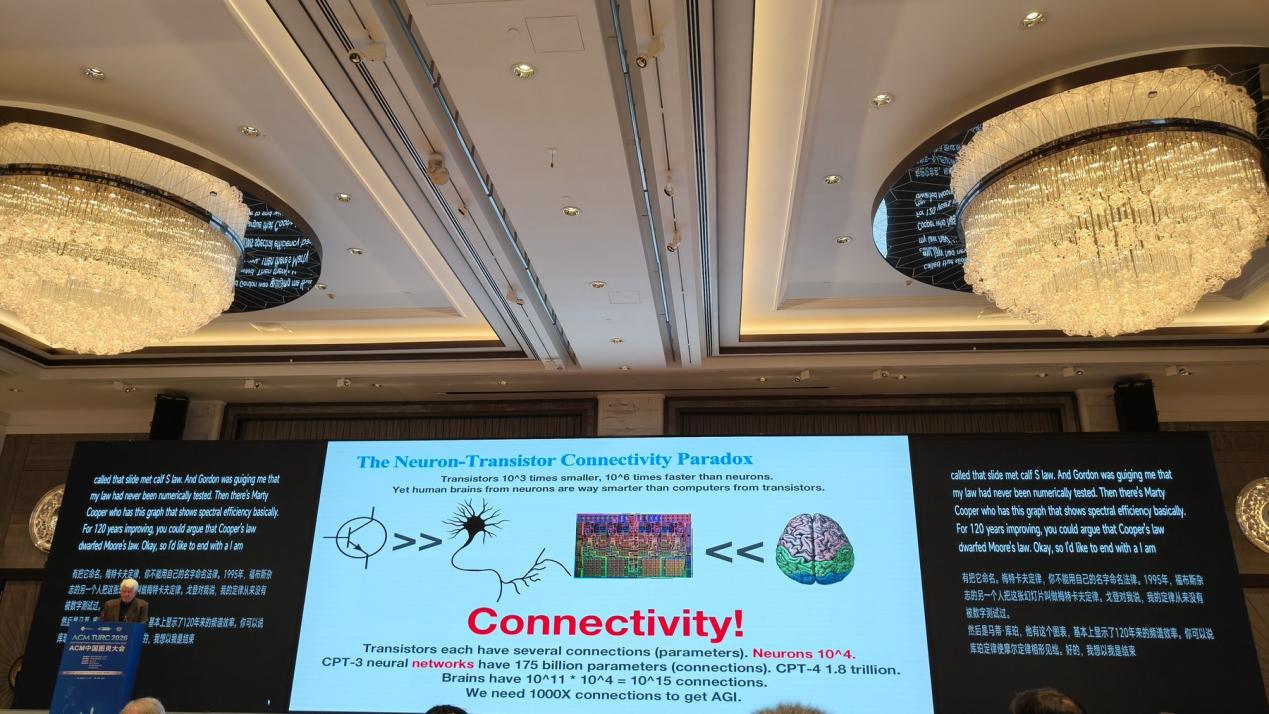
The source describes a connectivity paradox: although transistors are times smaller and times faster than neurons, the brain's approximately synaptic connections far exceed the parameter counts of current AI models. The notes give a figure of 1.8 trillion for a model written as "CPT-4" in the source.
The argument is that intelligence may depend less on the speed of an individual computing element than on the complexity of massive parallel connectivity. The source proposes that a 1,000-fold increase in connections is needed to reach AGI, emphasizing a shift from a computation-centered to a connectivity-centered perspective.
35. COVID-19 and Collaborative Video
Source page 37
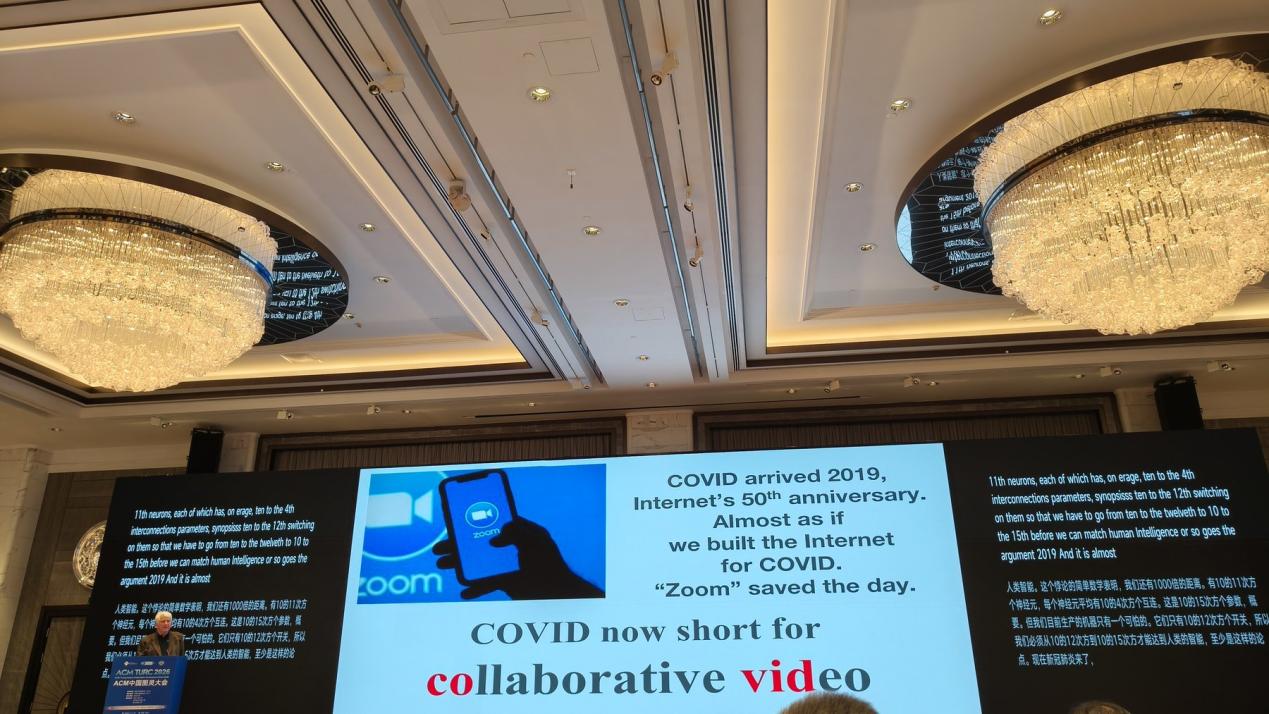
The juxtaposition of COVID-19's emergence in 2019 with the Internet's fiftieth anniversary highlights how mature network infrastructure was available at a critical moment to support worldwide demand for remote collaboration.
36. Toward an Enhanced Video Mobile Gigabit Internet of Things
Source page 38
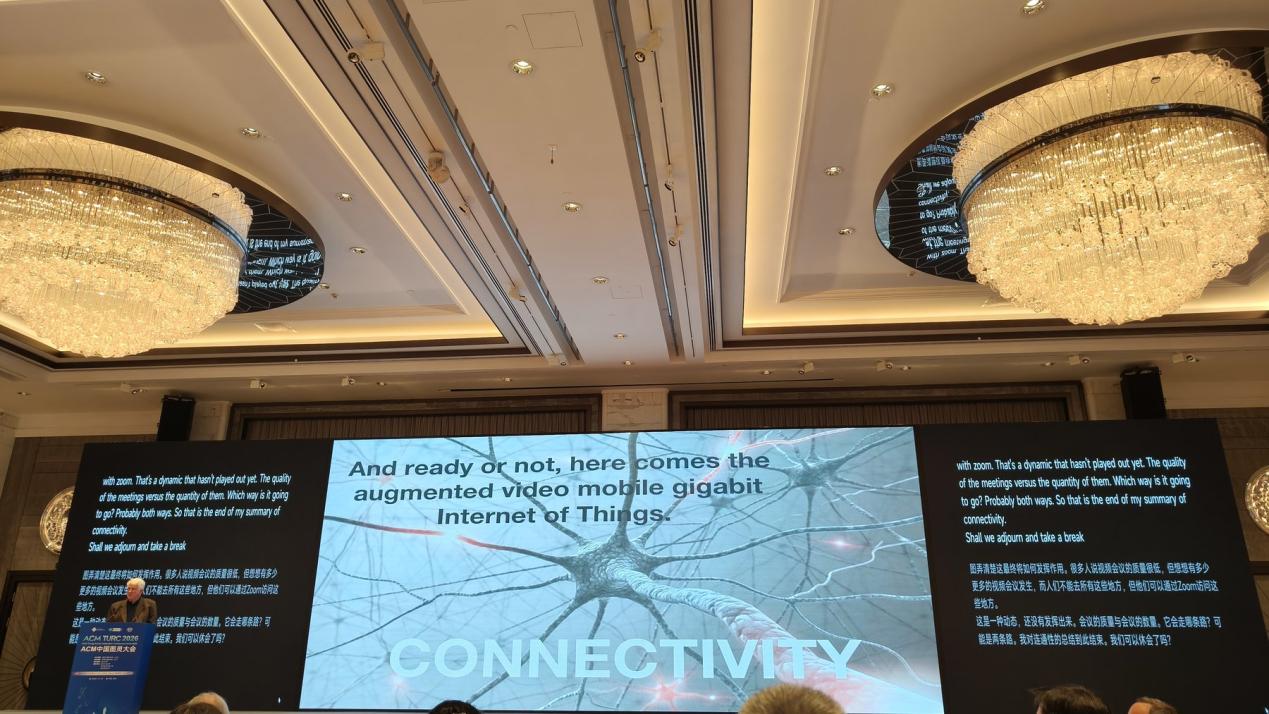
The arrival of an era of the enhanced video mobile gigabit Internet of Things.